Compare Medigap Plans

Exploring Medigap plans, or Medicare Supplement Insurance, can help cover some healthcare costs not fully paid by Original Medicare. With different options available, understanding their benefits can ease financial burdens for services like copayments, coinsurance, and deductibles.

Our goal is to provide you with clear guidance on Medigap plans, ensuring you feel confident in comparing the various options.

Navigate through this supportive resource to discover how Medigap can work alongside your Medicare coverage to enhance your peace of mind and ease your healthcare journey. Let’s take this step together in understanding Medigap plans tailored to your needs.


Key Highlights

  • Medigap plans cover out-of-pocket costs, supplementing Original Medicare (Parts A and B).
  • Medicare Part D aids in reducing prescription medication costs through private insurance options.
  • Comparing Medigap policies focuses on standardized benefits, insurer reliability, and costs.
  • Medigap comparison charts display benefit, premium, and coverage differences among plans.
  • Resources like MedicarePlansResource.org provide Medigap plan clarity and decision support.

Compare Medigap Plans in One Step!

Enter Zip Code


 Advertisement

Understanding Medicare and Its Parts

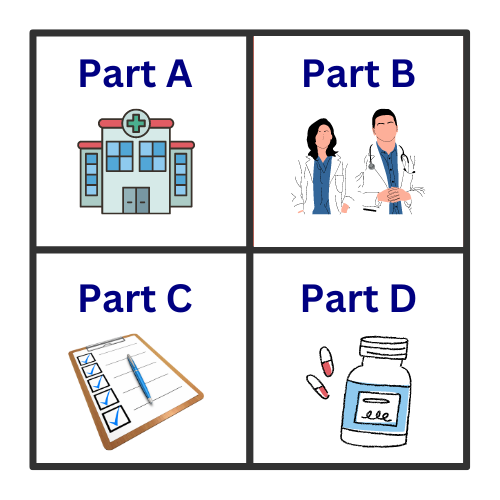
Medicare, a federal health insurance program, supports older adults, typically over 65, in managing healthcare costs. It’s vital to understand its various parts: Hospital coverage (Part A) and Medical coverage (Part B) create Original Medicare. Alongside these, Medicare Part D offers prescription drug coverage.

Each component plays a crucial role in helping beneficiaries manage medical expenses. Gaining clarity on these parts ensures informed healthcare decisions. Let’s explore the basics of Medicare and dive deeper into Part D to understand what these parts cover and how they help beneficiaries in managing their health effectively.


Basic Overview of Medicare


Basic Overview of Medicare


Medicare, a cornerstone of senior healthcare, is designed to provide substantial support for those turning 65 and older. Understanding this program begins with its two main parts, Part A and Part B, which together form the foundation known as Original Medicare.

Part A primarily covers inpatient hospital stays, skilled nursing facilities, hospice care, and some home health care. Most beneficiaries receive Part A premium-free if they’ve paid Medicare taxes while working.

Part B complements Part A by covering outpatient care, doctor visits, preventive services, and durable medical equipment. Unlike Part A, Part B requires a monthly premium, determined by income level.

Choosing the right options can sometimes feel challenging due to the array of parts and coverage choices. Medicare is not merely a single plan but a series of options aimed at meeting varied healthcare needs.

For instance, some choose to enhance their coverage with Part C, also known as Medicare Advantage, or with Medigap policies, both aimed at supplementing Original Medicare. These additions can cover out-of-pocket expenses not typically covered, such as copayments, coinsurance, and deductibles.

Many seniors, seeking clarity, often wonder about the role of well-known providers like UnitedHealthcare and AARP. These insurers offer several Medicare plans under Medigap and Part C, but selecting a suitable plan should focus on individual healthcare needs and budget constraints, not brand names. Additionally, understanding the various enrollment periods is crucial, such as the Initial Enrollment Period, which is vital for aligning coverage effectively without penalties.

Maneuvering through the Medicare network can be daunting without comprehensive guidance. Beyond the components of Original Medicare and its supplements, seniors should stay informed about changes in policies and costs annually. Resources like MedicarePlansResource.org offer invaluable support in comparing plans, understanding benefits, and ensuring that seniors make informed decisions tailored to their health needs.


Medicare Part D: Prescription Drug Coverage

For many seniors, one of the most significant healthcare expenses often revolves around prescription drugs. This is where Medicare Part D comes into play, offering crucial coverage for prescription medications.

Unlike Parts A and B, Part D is provided through private insurance companies approved by Medicare, making it a standalone plan that helps reduce medication costs. Understanding Part D’s key features is essential in selecting the right plan that aligns with personal medical needs and budgets.

Choosing a Part D plan involves considering various factors, including formularies, premiums, and deductibles. Formularies are lists of covered drugs, which differ between plans. Ensuring your medications are included can prevent unexpected costs. Plan premiums also vary and can impact overall healthcare expenses, while deductibles represent the out-of-pocket amounts paid before coverage begins.

Participating in a Medicare Part D plan means navigating the coverage gap, often called the “donut hole,” where beneficiaries may pay higher costs for drugs after surpassing a certain limit until catastrophic coverage kicks in. Thankfully, recent legislation has aimed to reduce this gap, making medications more affordable than before. Comparing Part D options to understand coverage details, network pharmacies, and associated costs is critical for minimizing out-of-pocket expenses.

Enrollment in Part D requires careful planning, with the enrollment period running from October 15 to December 7 each year. Joining during this time ensures coverage for the upcoming year without late penalties.

It’s equally important for those already enrolled to review plans annually. Insurers often change plan details such as formularies, pricing, and pharmacy networks, potentially affecting medication affordability.

With MedicarePlansResource.org, seniors can explore educational resources tailored to simplify the complexities of Medicare Part D. Understanding the intricacies of prescription drug coverage empowers older adults to make smarter decisions, ensuring they maintain their health with accessible medications while protecting their finances. As such, being proactively educated about Part D and utilizing trusted resources ensures comprehensive coverage and peace of mind.

What is a Medicare Supplement Plan?

Medicare Supplement Plans, also known as Medigap, help fill gaps in Original Medicare coverage. They cover out-of-pocket costs like copayments and deductibles that Medicare Parts A and B don’t cover.

Having a Medicare Supplement means you can see any doctor who accepts Medicare, providing flexibility in care choices. These plans are offered by private insurance companies and designed to work alongside Original Medicare to minimize unexpected medical expenses. Knowing the role and benefits of Medicare Supplements can significantly ease worries about health costs.


Role of Medicare Supplement Insurance

Medicare Supplement Insurance, commonly referred to as Medigap, plays a crucial role in bridging the financial gaps left by Original Medicare. While Medicare Parts A and B cover a broad range of healthcare services, they don’t pay for everything, leaving beneficiaries responsible for significant copayments, coinsurance, and other out-of-pocket costs. This is where a Medicare Supplement plan shines by covering these additional expenses, offering peace of mind and predictable healthcare costs.

For instance, when you visit a doctor or a specialist, Medicare Part B might cover only 80% of the Medicare-approved amount. The remaining 20% is left to you, which can become quite costly, especially if you have frequent doctor visits or require specialized care. A Medigap plan helps cover that 20% coinsurance, ensuring you don’t have to worry about financial strain when accessing necessary medical care.

Moreover, a Medigap policy can cover other costs, such as the Part A deductible, which can be substantial if you face a hospital stay. By paying this deductible, your Medigap plan alleviates concerns about unplanned expenses during hospitalization. For seniors managing chronic conditions or planning for the unexpected, this layer of financial support proves invaluable.

Medigap plans also offer standardization. This means that regardless of which insurance company sells the policy, the benefits of each plan type remain the same. For example, Plan G provides identical benefits across different insurers, making it easier to compare costs and select a policy that fits your healthcare needs without confusion.

It’s important to note that while Medigap plans offer substantial coverage for out-of-pocket expenses, they do not typically cover long-term care, vision, dental, hearing aids, or private-duty nursing.

Understanding what each plan covers and does not cover is essential for making well-informed decisions about your healthcare coverage. Resources like MedicarePlansResource.org help simplify this information, offering seniors and caregivers a clear view of Medigap benefits and helping them navigate these choices confidently.


Explaining Medigap in Simple Terms

Medigap can sound complicated, but breaking it down makes it easier to understand.

At its core, Medigap, or Medicare Supplement Insurance, helps you manage costs that Original Medicare leaves behind. Think of it as a safety net. When Medicare pays its share for covered services, Medigap picks up the differences, reducing the out-of-pocket expenses you’d normally face.

Medicare doesn’t pay for everything. For instance, there are costs like deductibles, amounts you need to pay before Medicare starts covering payments. Medigap plans can help with these deductibles.

There’s also coinsurance, where you’re responsible for a percentage of the costs for a service. Again, Medigap steps in to cover those costs.

Medigap plans are labeled with letters – like A, B, C, D, F, G, K, L, M, and N. Each one offers a different level of coverage, but the benefits of any letter are the same no matter which company sells it.

So, a Plan F sold by one company provides the same basic benefits as a Plan F from another. This standardization makes comparing Medigap plans simpler since you’re essentially comparing price and customer service offerings, not different sets of benefits.

Here’s a simple example: if you have a Plan G, your Medigap plan will handle most of your excess charges after Original Medicare. This means you won’t pay separately for copays at the doctor’s office beyond your Medigap premiums. Many seniors find this predictability comforting as it transforms unpredictable health costs into a manageable monthly expense.

Understanding Medigap includes knowing what it doesn’t cover. Long-term care, vision, and dental care are not part of Medigap benefits, so plans for these services need to be considered separately. Fortunately, resources are available to guide you in exploring options that provide fuller health coverage.

Ultimately, Medigap is about removing the stress of unexpected health bills, letting you focus on what matters most, staying healthy and enjoying life. Consider exploring more detailed guides and tools available at MedicarePlansResource.org. They can clarify Medigap options further, ensuring you choose confidently and wisely.


Comparing Medicare Supplement Plans


Comparing Medicare Supplement Plans


Navigating Medicare Supplement Plans, also known as Medigap policies, can seem daunting, but it’s a critical step in securing comprehensive healthcare coverage. These standardized plans work alongside Original Medicare, helping cover costs not paid by Medicare Parts A and B.

Comparing Medigap plans includes evaluating aspects like monthly premiums and out-of-pocket costs. To effectively compare Medigap plans, understanding how to use tools like comparison charts can make a big difference. Let’s explore practical strategies for comparing Medicare supplement insurance options and how a comparison chart can make this process simpler.


How to Compare Medicare Supplement Insurance Options

When diving into the world of Medicare Supplement insurance, or Medigap plans, it’s all about finding the coverage that aligns best with your health needs and budget. The first step in comparing Medicare supplement plans is to understand the standardization of Medigap policies, which is a significant advantage.

This standardization means a Medigap Plan G, for example, offers the same benefits regardless of which insurance company you choose. This makes comparing plans simpler since your primary focus will be on the price and the reliability of the insurer, rather than different benefit configurations.

Next, consider your healthcare needs. Some Medigap plans cover basic benefits, while others provide more comprehensive coverage, like paying for foreign travel emergency costs or the Part A deductible.

A good strategy is to list your current and anticipated medical expenses. This analysis helps determine the value of specific benefits included in the Medigap plans you’re evaluating.

Keep in mind the timing of your comparison. The best time to compare and purchase a Medigap policy is during your Medigap Open Enrollment Period, which is a six-month window that begins the month you turn 65 and are enrolled in Medicare Part B.

During this period, insurers cannot refuse to sell you a policy or charge more because of health issues, ensuring access to any plan without extra medical underwriting.

Additionally, don’t overlook plan cost comparisons. While benefits might be equal in standardized Medigap policies, premiums and customer service can vary. Using a comprehensive plans comparison chart can aid in assessing these variables.

Include factors such as plan ratings, additional benefits the insurer might offer, and customer service reputation. Each of these can influence your satisfaction and financial stability in the long run.

Finally, leverage trusted resources, like MedicarePlansResource.org, to simplify the comparer medigap process. These platforms provide straightforward information on Medigap policies, empowering you to make informed decisions in a landscape that might otherwise seem overwhelming. Exploring these resources ensures you choose a plan that not only fits your healthcare needs but also supports your financial constraints effectively.


Compare Medicare Supplement Plans With a Comparison Chart

A comparison chart is your ally when trying to compare Medigap plans effectively. This tool provides a visual layout of the various options available, displaying key features side-by-side. This format is particularly helpful in highlighting the differences in benefits, premiums, and coverage specifics among Medigap policies, allowing you to see at a glance what each plan offers.

When using a comparison chart, start by identifying which Medigap plans cover the benefits most important to you. For instance, some individuals need coverage for skilled nursing facility coinsurance, while others prioritize foreign travel emergency coverage. Not all Medigap plans offer these additional benefits, so a clear comparison helps ensure you pick a plan that aligns with your healthcare priorities.

Another advantage of using a comparison chart is the ability to evaluate cost differences. While Medigap policies are standardized across providers, the premiums charged can vary significantly.

Charts can display these variations, helping you to balance cost with the coverage you require. This allows for a more transparent view of your potential expenses, crucial for budget planning.

Additionally, a comparison chart can indicate which plans are more popular or highly rated, providing insights from other Medicare beneficiaries. Customer satisfaction ratings and the financial stability rankings of insurers are critical considerations that can be communicated efficiently through a chart’s concise data presentation.

Remember, while a comparison chart is a valuable tool in the medigap plan selection process, it should be complemented with research and guidance from reliable resources. Websites like MedicarePlansResource.org offer in-depth explanations and assistance in using such charts effectively.

By combining this information with direct advice from insurance experts, you can enhance your confidence in selecting a Medigap plan that suits your situation perfectly.

Ultimately, a well-utilized comparison chart transforms the complex decision-making process into manageable steps, ensuring that your choice in a Medigap policy meets both your health needs and budget effectively. Enter your ZIP code on our site to explore detailed comparisons tailored for you or reach out for personalized guidance as you navigate Medicare choices confidently.

Medigap Plan Options


Medigap Plan Options


Choosing the right Medigap plan can make a big difference in managing your healthcare costs alongside Original Medicare. With a variety of plans available, each offering different levels of coverage, understanding your options is crucial.

Medigap, also known as Medicare Supplement Insurance, helps cover costs that Original Medicare doesn’t fully pay for, like copayments and deductibles. This section explores the different types of Medigap plans and how these plans can assist with health costs, making your healthcare experience more predictable and less stressful.


Different Types of Medigap Plans

Medigap plans come in several varieties, each labeled with a letter, such as Plan A, Plan B, Plan C, and so on, up to Plan N. Each lettered plan offers a standardized set of benefits, which means the basic coverage is the same no matter which insurance company offers it.

For instance, Plan G with one insurer provides the same coverage as Plan G from another. This standardization simplifies the process as it allows you to focus on the cost and customer service rather than different benefits.

Plan A serves as a foundational coverage, including basic benefits such as coinsurance and hospital costs up to an additional 365 days after Medicare benefits are used up. Plan B builds on this by covering the Medicare Part A deductible.

Plan F, until recently widely popular, has been known for its comprehensive coverage, including Part B deductible costs. However, it is no longer available to those new to Medicare, with Plan G emerging as a favorable option for broad coverage minus the Part B deductible.

Another option, Plan N, offers lower premiums by requiring copayments for some services. This is ideal for those who don’t require frequent doctor visits or anticipate high medical expenses. Plans such as K and L offer unique benefits by covering a portion of the deductible rather than the whole amount, which suits those comfortable sharing a percentage of health costs but wanting some paid-for coverage.

The existence of a variety of Medigap plans ensures that you can choose based on your financial and healthcare needs. Understanding what each plan covers is vital, as this impacts how much you’ll spend out of pocket. For those new to Medicare, consider that some plans will not be available depending on when you qualify for Medicare, and choosing early can secure access to desirable plans.

Ultimately, by exploring available Medigap plans, you can identify which cost-sharing structure aligns best with your health and financial situation. By comparing these plans through tools like a comparison chart or utilizing resources on MedicarePlansResource.org, seniors can confidently find a Medigap plan that complements their Original Medicare coverage and suits their needs.


How Medigap Helps with Health Costs

Medigap plays a significant role in managing health costs by covering most out-of-pocket expenses not shouldered by Original Medicare. This is particularly important for those on a fixed income, where unexpected medical costs can be a significant stressor. By filling the “gaps” Medicare Parts A and B leave behind, Medigap can save you from hefty out-of-pocket expenses like copayments, coinsurance, and certain deductibles.

One of the most critical benefits is how Medigap covers the 20% coinsurance for Medicare Part B services. Without this coverage, beneficiaries could face high costs for doctor visits or outpatient care. Additionally, many Medigap plans cover the substantial deductible required for hospital visits under Part A, mitigating the financial burden during hospital stays.

Medigap also offers peace of mind with nationwide coverage. Any provider that accepts Medicare will also accept your Medigap plan, giving you the freedom to choose doctors and specialists without worrying about out-of-network charges. This flexibility is particularly advantageous for those who travel or live part-time in different states.

Furthermore, for those requiring emergency medical services while traveling abroad, certain Medigap plans cover emergency care outside the U.S. up to plan limits. This feature is crucial for frequent travelers who don’t want healthcare emergencies to interfere with their budget plans. However, it’s important to note that Medigap doesn’t cover certain costs like dental, vision, or long-term care, so additional plans may be needed to fill these gaps.

Regularly reviewing your Medigap plan is essential, as health needs and financial situations can change. Alterations in Medicare itself or the introduction of new plans in the market could mean more suitable options become available over time. Resources like MedicarePlansResource.org can offer clarity and tailored advice to compare Medigap plans efficiently.

By understanding how Medigap reduces health costs, you’ll be better equipped to maintain your well-being without the additional worry of unexpected medical expenses.

Compare plans and enroll online


 Advertisement

Speak with a licensed insurance agent

1-833-641-4938
TTY 711

Mon-Fri : 8am-9pm ET

compare medicare advantage plans

Choosing the Right Plan for You

Finding the right Medigap plan is pivotal in ensuring your healthcare needs are met while managing costs effectively. With numerous plans available, each offering distinct coverage options, it’s crucial to align your choice with your personal needs and budget.

A Medigap plan primarily covers expenses that Original Medicare, Parts A and B, doesn’t fully cover, such as copayments, coinsurance, and deductibles. Choosing wisely requires an understanding of what each plan can offer and how it can help manage healthcare-related costs.

Start by considering your healthcare requirements and financial constraints. Each Medigap plan is labeled with a letter, from Plan A through Plan N, offering standardized benefits regardless of the provider.

For instance, while Plan G covers nearly all out-of-pocket expenses except for the Part B deductible, Plan N might require you to share some costs, like copayments for doctor visits. This variation in plans allows you to select the degree of coverage that best suits your financial and healthcare needs.

Understanding the tax implications and requirements is also essential. While Medigap premiums aren’t typically tax-deductible, knowing your outlays can help plan better financially.

Another factor to consider is how each plan aligns with your deductible needs. Some plans, like Plan F and Plan G, cover most deductibles, but this does come with higher premiums. Balancing the premium and deductible might help optimize your budget strategy.

Additionally, flexibility in provider choices matters. Most Medigap plans allow you to visit any healthcare provider that accepts Medicare, supporting your need for comprehensive care without the worry of network limitations. This proves invaluable, especially if you wish to continue seeing your current doctors.

In choosing a Medigap plan, take advantage of resources like comparison charts to weigh your options. These tools highlight key differences across plans, aiding clear decision-making. It’s also beneficial to explore insights from trusted sources, such as MedicarePlansResource.org, providing tailored guidance to help you confidently navigate choices.

By entering your ZIP code on our site, you can compare Medicare options with ease. Soon, you’ll also have the chance to call our experts for personalized help. With the right information and tools, selecting a Medigap plan becomes an empowering step in safeguarding your health coverage effectively.

We hope this guide on comparing Medigap and Medicare Supplement Plan insurance has been helpful. To explore plans available in your area, please enter your ZIP code on our site. This will allow you to compare Medicare options and find what suits your needs. We are here to make the process simple and stress-free.

You can also call for personalized assistance once our phone number is available. We’re dedicated to helping you make informed decisions with confidence.

Frequently Asked Questions


What factors should I look at when I compare Medigap plans?


When you compare Medigap plans, focus on the benefits covered (like deductibles, copays, foreign travel), monthly premiums, out-of-pocket costs, and company reputation for rate stability and customer service. Since Medigap plans are standardized by letter (Plan G, Plan N, etc.), you’re mainly comparing price and service between companies for the same plan letter.

Which Medigap plans are most popular for new Medicare enrollees?


For people new to Medicare, Medigap Plan G is often the most popular because it offers comprehensive coverage, leaving you responsible mainly for the Part B deductible. Plan N is another common choice, with slightly lower premiums in exchange for certain copays and possible excess charges in some states.


How do Medigap Plan G and Plan N compare?


When you compare Plan G vs. Plan N, both cover hospital costs, Part A coinsurance, blood, hospice care, and skilled nursing coinsurance, as well as the Part A deductible. The main difference is that Plan N usually has lower premiums but requires copays for some office and ER visits, and it does not cover Part B excess charges, while Plan G does.


Does it matter which company I choose if Medigap plans are standardized?


Yes. Even though Medigap benefits are standardized by plan letter, insurance companies can charge different premiums, apply different rate increases over time, and offer different levels of customer support and claims service. When you compare Medigap plans, it’s important to look at both the plan letter and the company offering it.

call today for help

 ZRN Health & Financial Services, LLC, a Texas limited liability company

Find & Compare Plans Online 


 Advertisement

Speak with a licensed insurance agent

 1-833-641-4938
TTY 711

Mon-Fri : 8am-9pm EST

Russell Noga
( Medicare Expert )

Russell Noga is the CEO of ZRN Health & Financial Services, and head content editor of several Medicare insurance online publications. He has over 15 years of experience as a licensed Medicare insurance broker helping Medicare beneficiaries learn about Medicare, Medicare Advantage Plans, Medigap insurance, and Medicare Part D prescription drug plans.