Annual Maximum Out of Pocket Limit (MOOP)
The annual maximum out-of-pocket limit (MOOP) for Medicare Advantage plans acts as a financial safety net, capping the total amount you need to pay in a year for covered services. In 2025, the out-of-pocket maximum for in-network services is set at $9,350. This annual cap ensures that enrollees are protected from high medical costs, offering peace of mind and financial predictability.
Once the MOOP is reached, beneficiaries are not required to share costs for covered services for the rest of the year. This means that after hitting this limit, your cost-sharing drops to zero for all covered services, effectively shielding you from further financial burden. However, it’s important to note that premiums and cost-sharing for Part D prescription drugs do not count towards this limit.
Medicare Advantage plans may set lower out-of-pocket maximums than the federal limit, making it essential to compare these annual limits when choosing a plan. Considering the MOOP alongside other plan details helps in selecting a plan that best fits your financial and healthcare needs, ensuring comprehensive coverage without unexpected expenses.
Copayments and Coinsurance
Copayments are fixed amounts paid for specific services, such as doctor visits or emergency room visits, and they can vary significantly from one Medicare Advantage plan to another. For example:
- You might pay a set fee for each primary care visit.
- Visits to specialists could incur higher copayments.
- Some plans require copayments for outpatient services, which can be higher than those for in-office visits.
Coinsurance, on the other hand, generally represents a percentage of the cost of services after the deductible has been met. Typically, this percentage is around 20% for most covered services. For instance, if you need outpatient hospital care, you might be responsible for 20% of the Medicare-approved amount. Similarly, for durable medical equipment like wheelchairs, coinsurance often applies after the deductible is met.
Grasping these cost-sharing mechanisms is essential for managing your healthcare expenses. Knowing what to expect regarding copayments and coinsurance allows for better budget planning and the avoidance of unexpected costs. Each Medicare Advantage plan has its own structure, so it’s essential to review the details of your specific plan to fully grasp your financial responsibilities.
Deductibles in Medicare Advantage Plans
In Medicare Advantage plans, an annual deductible is the amount you must pay out of pocket for healthcare services before your coverage begins. This initial payment can significantly influence your overall out-of-pocket costs, making it an important factor to consider when selecting a plan.
Deductibles can vary widely depending on the specific Medicare Advantage plan, which varies by plan. For example:
- Health Maintenance Organizations (HMOs) and Preferred Provider Organizations (PPOs) may have different deductible structures, impacting the cost burden on enrollees.
- Some plans might have a low or even zero deductible.
- Other plans could require a substantial initial payment before coverage kicks in.
Knowing how deductibles work in your chosen plan helps in accurately anticipating healthcare spending. Considering the deductible alongside other out-of-pocket costs like copayments and coinsurance helps in better managing financial planning and preparing for potential medical expenses.
Prescription Drug Coverage Costs
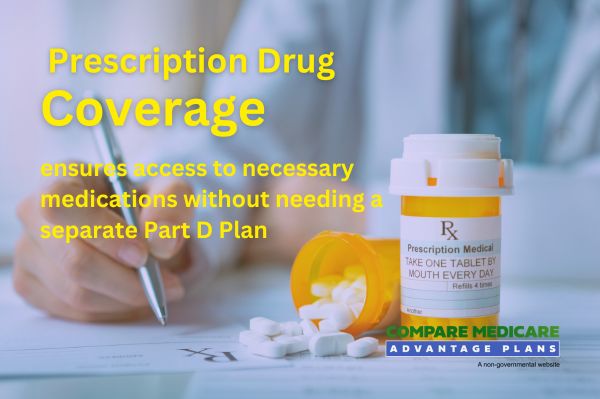
Prescription drug coverage is a critical component of many Medicare Advantage plans, and understanding the associated Medicare Advantage plan costs is essential. In 2025, the average monthly fee for Medicare Part D is projected to be $46.50, with no plan having a deductible exceeding $590. These costs are influenced by income-related adjustments, potentially leading to higher premiums for some beneficiaries.
When picking up medications, you may encounter additional costs such as copayments or coinsurance. These out-of-pocket expenses can add up, especially if you require multiple prescriptions. Regularly reviewing and optimizing your prescription drug plans is vital, especially with recent legislation introducing an out-of-pocket cap on drug costs, potentially leading to significant savings.
Costs associated with Part D prescription drugs do not count towards the Medicare Advantage MOOP. This means that while your other healthcare costs might be capped, your medication expenses could continue to accumulate. Proactively managing these costs helps avoid financial strain and ensures access to necessary medications without breaking the bank.