Medicare Advantage vs Medicare Supplement Plans

Choosing between Medicare Advantage vs Medicare Supplement Plans can be confusing. Medicare Advantage Plans often cover extra services like dental and vision, while Medicare Supplement Plans help reduce out-of-pocket costs from Original Medicare. This article will break down the differences so you can decide which plan fits your needs and budget.


Key Takeaways


  • Medicare Advantage Plans in 2026 offer comprehensive coverage beyond Original Medicare, including additional benefits like dental, vision, and wellness programs, often with low to zero monthly premiums.


  • Medicare Supplement Plans (Medigap) serve as a financial safety net, covering out-of-pocket costs from Original Medicare, providing flexibility in provider access without network restrictions.


  • The choice between Medicare Advantage and Medigap depends on individual healthcare needs and financial situations, with key considerations being coverage options, costs, and provider access.

Compare Plans in One Step!

Enter Zip Code


 Advertisement

Understanding Medicare Advantage Plans

Medicare Advantage vs Medicare Supplement Plans


Medicare Advantage Plans offer a comprehensive approach to healthcare coverage. Unlike original medicare coverage, which only covers essential hospital and medical services, these plans encompass a broader range of benefits, including:

  • Routine dental care
  • Vision care
  • Hearing care
  • Often prescription drug coverage


They also frequently provide additional perks like gym memberships or fitness programs, making them an attractive option for those seeking a holistic approach to health.

These plans are designed to fill the gaps left by Original Medicare, ensuring that beneficiaries receive the necessary services and added coverage to maintain their health. Understanding Medicare Advantage helps you appreciate the comprehensive nature of these medicare plans and their ability to enhance your overall healthcare experience.


Benefits of Medicare Advantage Plans

One of the standout features of Medicare Advantage Plans is the range of additional benefits they offer beyond Original Medicare. These plans often include dental, vision, and wellness programs, which contribute significantly to improved overall health management. For instance, regular dental and vision check-ups can prevent minor issues from becoming major health concerns, while wellness programs encourage a proactive approach to maintaining health.

Many Medicare Advantage Plans integrate prescription drug coverage, a critical feature for managing medication costs under a medicare contract. This integration eliminates the need for separate drug plans, simplifying the process and ensuring that your medication needs are covered under one comprehensive plan.

The additional benefits such as dental and vision care, along with prescription drug coverage, support beneficiaries in maintaining their health more effectively. Such enhancements make Medicare Advantage appealing to those seeking comprehensive medical coverage and a well-rounded healthcare approach.


Costs and Premiums

When it comes to costs, Medicare Advantage Plans often stand out due to:

  • Their low or even zero monthly premiums
  • Affordability, which is a significant advantage vs, especially for those on a fixed income
  • Many plans starting with a $0 monthly premium, making them accessible to a wide range of beneficiaries.


However, it’s crucial to consider potential out-of-pocket expenses. While the monthly premiums may be low, there can be other costs associated with receiving care. Knowing these costs helps you avoid surprises and manage your healthcare budget effectively.

Evaluating both premiums and out-of-pocket costs will ensure you choose an insurance policy that aligns with your financial situation.


Exploring Medicare Supplement Plans (Medigap)

Medicare Supplement Plans, also known as Medicare supplement medigap, serve as a complement to Original Medicare. These plans are designed to cover additional out-of-pocket costs that Original Medicare does not fully address. Medigap plans act as a financial safety net, preventing unexpected medical expenses from becoming a burden. Medicare supplement insurance provides further options for those looking to enhance their coverage.

Medigap plans are tailored to assist with various costs such as deductibles, copayments, and coinsurance. This additional coverage helps manage the financial aspects of healthcare, including medical insurance, allowing beneficiaries to focus on their health without worrying about unexpected expenses. Medigap coverage, a medigap policy, and medigap policies provide essential support in this regard.


Coverage Offered by Medigap Plans

Medicare Supplement Plans provide comprehensive coverage for out-of-pocket expenses associated with Original Medicare. These plans are designed to cover costs like deductibles, copayments, and coinsurance, which can add up quickly during medical treatments. Covering these additional costs, Medigap plans provide peace of mind and financial stability.

One of the notable features of Medigap plans is that they have no limit on out-of-pocket costs. This means that beneficiaries can receive the necessary care without worrying about hitting a spending cap, making Medigap a reliable option for those who anticipate high medical expenses.


Flexibility and Provider Access

Flexibility is a significant advantage of Medigap plans. Beneficiaries can choose any doctor or hospital that accepts Medicare, without being restricted to a network. This freedom allows for greater choice and convenience when seeking medical care.

Additionally, Medigap plans do not require referrals, enhancing the ease of accessing specialist care. This flexibility ensures that beneficiaries can receive the care they need promptly and without unnecessary administrative hurdles, making Medigap a convenient option for many.


Key Differences Between Medicare Advantage and Medicare Supplement Plans

Understanding the key differences between Medicare Advantage and Medicare Supplement Plans is crucial for making an informed decision. Medicare Advantage Plans combine various types of coverage, including dental, vision, and prescription drugs, while Medigap plans primarily assist with costs from Original Medicare. This fundamental difference impacts the scope of coverage and the types of benefits each plan offers.

Choosing between these pdp plans requires a careful assessment of individual health care requirements and financial situations. Most plans have differences, and the benefits vary, allowing you to choose a plan that aligns with your specific needs and preferences.


Coverage Options Comparison

Medicare Advantage Plans offer a broader range of coverage compared to Original Medicare, including additional services like vision, dental, and hearing care. In contrast, Medigap plans are designed to cover costs incurred under Original Medicare, such as deductibles and copayments. This difference between medicare Advantage vs Medigap plans provides more comprehensive coverage, while Medigap focuses on reducing out-of-pocket expenses.

Most Medicare Advantage Plans also include prescription drug coverage, which is not typically covered by Medigap plans. Knowing these coverage options helps you choose the plan that best meets your healthcare needs.


Cost Comparison

Cost-sharing varies significantly between Medicare Advantage and Medigap plans. Medicare Advantage Plans often have lower premiums but may impose out-of-pocket limits on costs. This cost structure can be beneficial for those who prefer predictable monthly expenses but can lead to higher costs during care.

Medigap plans, on the other hand, help cover various out-of-pocket expenses from Original Medicare but have no overall spending cap. This means that while the premiums might be higher, the financial risk is lower, as many costs are covered. Assessing both monthly premiums and potential out-of-pocket expenses is crucial for selecting a plan that fits your budget.


Compare plans and enroll online


 Advertisement

Speak with a licensed insurance agent

1-833-641-4938
TTY 711

Mon-Fri : 8am-9pm ET

compare medicare advantage plans

Network and Provider Access

Network restrictions are a primary differentiator between Medicare Advantage and Medigap plans:

  • Medicare Advantage Plans typically require members to use a specific plan network of doctors and hospitals to minimize costs.
  • Additional costs may apply for out-of-network services.
  • It is important to stay within the plan’s network to avoid extra charges.


In contrast, Medigap plans offer the freedom to see any doctor that accepts Medicare, without network restrictions. This flexibility benefits those who value the freedom to choose their healthcare providers.

Choosing the Right Plan for Your Needs

Selecting the right Medicare plan involves careful consideration of individual health care needs and financial circumstances. Both immediate and long-term health care needs should be evaluated to ensure the chosen plan provides adequate coverage. Understanding your specific needs enables you to make an informed decision that aligns with your health and financial goals.

Financial considerations, including budget limitations and potential out-of-pocket expenses, play a crucial role in the decision-making process. A comprehensive evaluation of these factors will help you select the plan that offers the most cost-effective coverage for your situation.


Evaluating Health Care Needs

When choosing between Medicare Advantage and Medigap plans, it’s essential to consider both current health conditions and potential future medical needs. Understanding your health care needs can help ensure that the plan you choose provides adequate coverage for both your immediate and long-term medical services.

Consider factors like doctor visits, hospital services, and emergency care when evaluating your health care needs. Anticipating future health changes helps you choose a plan that will continue to meet your evolving needs.


Financial Considerations

Budget limitations and anticipated out-of-pocket expenses are key factors in determining the most suitable Medicare coverage. Understanding these financial aspects helps ensure that you choose a plan that fits within your budget while providing the necessary coverage.

Evaluating both monthly premiums and potential out-of-pocket costs is essential for selecting the right plan. A low monthly premium can help you manage your financial situation more effectively, allowing you to make a more informed decision that aligns with your financial constraints and healthcare needs, including the low monthly premiums and the monthly plan premium.


Consulting with Professionals

Engaging with healthcare providers or an insurance agent is recommended for tailored guidance in selecting the appropriate Medicare plan. These professionals can offer insights into which plan aligns best with your health and financial goals.

Consulting healthcare professionals or an insurance company advisor can offer tailored insights into the best plan options based on individual circumstances. Professional guidance ensures that you make an informed decision that meets your specific needs.


Enrollment and Eligibility Requirements

Enrolling in a Medicare plan requires meeting certain eligibility criteria, such as being a U.S. citizen or legally residing in the U.S. To enroll in Medicare Advantage or Medigap plans, you must first have Original Medicare Parts A and B. Knowing these requirements helps you successfully enroll in the plan of your choice.

Individuals who are 65 or older and enrolled in Medicare Part B can apply for a Medicare Supplement policy. This eligible for medicare information is crucial for ensuring that you meet the necessary criteria for enrollment.


Initial Enrollment Period

The Initial Enrollment Period for Medicare lasts seven months, beginning three months before your 65th birthday and ending three months after. This period is critical for enrolling in Medicare without incurring penalties.

Special Enrollment Periods may allow you to enroll outside of the standard timeframe due to qualifying life events. Timely enrollment is essential to avoid potential penalties and ensure that your coverage starts on the intended date.


Open Enrollment Periods


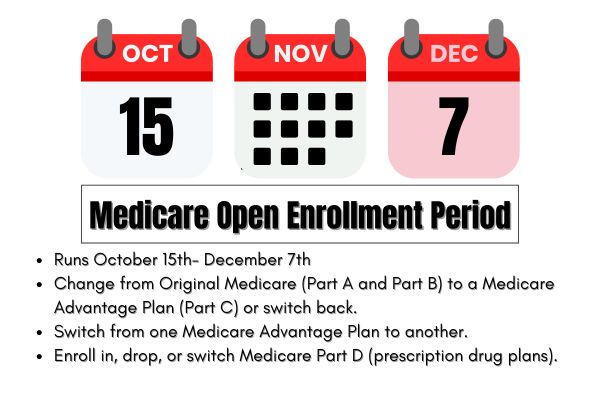
Open Enrollment Period - Medicare Advantage vs Medicare Supplement


The Open Enrollment Period for Medicare Advantage typically occurs annually from October 15 to December 7. This period allows you to make changes to your Medicare Advantage plan or switch between plans.

If you miss the Initial Enrollment Period, you may incur a late enrollment penalty for Part B coverage. Knowing these enrollment periods helps you take advantage of opportunities to enroll or make changes to your plan.


Additional Coverage Options

Beyond Medicare Advantage and Medigap, beneficiaries can explore additional medicare options for supplemental coverage to enhance their healthcare services. These options can provide comprehensive coverage for various healthcare needs.

Exploring additional coverage options gives you complete details of available plans, helping you choose the one that best meets your healthcare requirements.


Prescription Drug Coverage


Prescription Drug Coverage - included with most Medicare Advantage Plans


Prescription drug coverage is included with most Medicare Advantage Plans under the federal medicare program. This integration simplifies managing medication costs and ensures that your cover prescription drugs needs are covered under one comprehensive plan.

Including prescription drug coverage in your Medicare plan is essential for managing medication expenses effectively. This coverage ensures that you have access to the necessary medications without incurring high out-of-pocket costs.


Dental and Vision Coverage

Many Medicare Advantage Plans offer additional coverage options that go beyond basic Medicare, including dental and vision care. This coverage can encompass routine dental services such as cleanings and exams, as well as vision services like eye exams and glasses. Including these services in your health plan significantly enhances overall health and wellbeing by addressing preventive care needs.

Certain plans may also provide access to alternative medicine services like acupuncture or chiropractic care, further broadening the scope of care available to beneficiaries. By choosing a plan that includes these additional benefits, you can ensure comprehensive care that supports both your immediate and long-term health needs.

Summary

In summary, understanding the differences between Medicare Advantage and Medicare Supplement Plans is crucial for making an informed decision about your healthcare coverage. Medicare Advantage Plans offer comprehensive coverage that includes additional benefits like dental, vision, and prescription drug coverage, often with low or zero monthly premiums. In contrast, Medicare Supplement Plans (Medigap) are designed to cover out-of-pocket costs associated with Original Medicare, providing flexibility and access to any provider that accepts Medicare.

Choosing the right plan requires careful consideration of your health care needs and financial situation. Evaluating both current and future health needs, understanding potential costs, and seeking professional advice can help you select the plan that best fits your needs. By making an informed choice, you can ensure that your healthcare coverage supports your overall wellbeing and financial stability.

Frequently Asked Questions


What are the main differences between Medicare Advantage and Medicare Supplement Plans?

The main difference is that Medicare Advantage Plans provide additional benefits such as dental and vision coverage, often with low premiums, while Medicare Supplement Plans (Medigap) focus on covering out-of-pocket costs for Original Medicare, allowing for broader provider access.


Can I use any doctor with a Medicare Advantage Plan?

You cannot use any doctor with a Medicare Advantage Plan, as these plans generally require you to use a network of providers, incurring higher costs for out-of-network services. It’s essential to check your plan’s network to avoid additional expenses.


What does Medigap cover that Original Medicare does not?

Medigap plans provide coverage for out-of-pocket expenses like deductibles, copayments, and coinsurance that are not fully covered by Original Medicare. This helps to reduce your overall healthcare costs.


When can I enroll in a Medicare Advantage Plan?

You can enroll in a Medicare Advantage Plan during the Open Enrollment Period from October 15 to December 7 each year or during your Initial Enrollment Period, which spans seven months around your 65th birthday. It’s important to keep these dates in mind to ensure you have the coverage you need.


Do Medicare Advantage Plans include prescription drug coverage?

Yes, most Medicare Advantage Plans include prescription drug coverage, allowing for easier management of medication costs under one comprehensive plan.

call today for help

 ZRN Health & Financial Services, LLC, a Texas limited liability company

Find & Compare Plans Online 


 Advertisement

Speak with a licensed insurance agent

 1-833-641-4938
TTY 711

Mon-Fri : 8am-9pm EST

( Medicare Expert )

Russell Noga is the CEO of ZRN Health & Financial Services, and head content editor of several Medicare insurance online publications. He has over 15 years of experience as a licensed Medicare insurance broker helping Medicare beneficiaries learn about Medicare, Medicare Advantage Plans, Medigap insurance, and Medicare Part D prescription drug plans.