Annual Changes to Medicare Advantage Insurance

Staying informed about the annual changes to Medicare Advantage insurance is crucial for making the best healthcare decisions. In 2026, expect modifications in benefits, costs, and enrollment options. This article will cover everything you need to know about these updates and their impact on your plan.


Key Takeaways


  • Medicare Advantage plans for 2026 will introduce expanded supplemental benefits, enhanced chronic care management, and broader telehealth services, aiming to improve healthcare access and support for beneficiaries.


  • Cost changes for Medicare Advantage plans include a projected decrease in average premiums, while out-of-pocket costs and deductibles may increase, underscoring the importance of reviewing current plans.


  • Prior authorization requirements will be streamlined in 2026 to improve the efficiency of service approvals, enhancing access to necessary medical services for enrollees.

Compare Plans in One Step!

Enter Zip Code


 Advertisement

Updates to Medicare Advantage Plan Benefits

Annual Changes to Medicare Advantage Insurance


Medicare Advantage plans are known for offering additional benefits beyond what traditional Medicare covers. In 2026, a new medicare advantage plan will see significant updates aimed at enhancing the overall healthcare experience for enrollees. These changes include expanded supplemental benefits, improved chronic care management, and broader telehealth services.

These enhancements aim to address the evolving needs of Medicare beneficiaries, offering more comprehensive care options. Exploring the specifics of these updates reveals their impact on enrollees.


Additional Supplemental Benefits

One of the most notable updates for 2026 is the expansion of special supplemental benefits and extra benefits in Medicare Advantage plans and MA plans. A significant number of these plans will now offer services that address social needs, such as transportation and meal delivery, alongside traditional benefits like dental, vision, and fitness services.

In addition, several plans are introducing more comprehensive dental coverage, including preventive services and extensive services covered. These expanded benefits aim to provide a more holistic approach to healthcare, ensuring that beneficiaries receive well-rounded support.


Enhanced Chronic Care Management

For those with chronic conditions, Medicare Advantage plans are stepping up their game. Enhanced chronic care management programs are being introduced to improve care coordination and provide better support for individuals with long-term health issues.

These programs focus on integrating medical providers and services to create personalized care plans that cater to the unique needs of chronically ill patients, ensuring they receive consistent and high-quality care.


Telehealth Services Expansion


Telehealth Services Expansion


Telehealth services have become an integral part of modern healthcare, and Medicare Advantage plans are expanding their coverage in this area. Nearly all plans now include telehealth services, allowing beneficiaries to access care remotely without incurring additional costs.

This expansion ensures that more people can receive timely medical consultations and follow-ups, particularly those in rural or underserved areas, improving overall healthcare accessibility and convenience.


Changes to Medicare Advantage Plan Costs

As with every year, 2026 brings adjustments to the costs associated with Medicare Advantage plans. While some costs are decreasing, others are seeing a slight increase, making it important for beneficiaries to review their current plans and understand how these changes might affect them.

The costs related to premiums, deductibles, and out-of-pocket maximums will see notable changes. Understanding these adjustments can help beneficiaries make informed decisions about their healthcare spending and applicable cost sharing plan selections.


Premium Adjustments

Good news for many Medicare Advantage enrollees: the average total premium for plans with prescription drug coverage is projected to drop from $13.32 in 2025 to $11.50 in 2026. Additionally, a significant portion of enrollees may not face additional premiums, maintaining the trend from previous years where 76% of enrollees had plans with no extra premium charges.

However, it is important to note that while premiums might be lower, out-of-pocket costs could vary depending on service usage.


Deductible Increases

On the flip side, the annual d deductible for Medicare Part B will increase to $240 in 2024. This increase will impact many beneficiaries, so it’s crucial to plan for these higher out-of-pocket expenses.

Medicare Advantage plans may also see similar deductible increases, potentially affecting overall medical costs. Budgeting for these changes can help manage healthcare expenses more effectively.


Out-of-Pocket Maximums

Medicare Advantage plans offer financial protection through annual out-of-pocket maximums, something traditional Medicare lacks. For 2026, the out-of-pocket limit for in-network services in Medicare Advantage plans will be set at $9,250, a slight decrease from the previous year.

This cap helps beneficiaries manage their medical costs by limiting the amount they need to spend out of pocket on covered services.


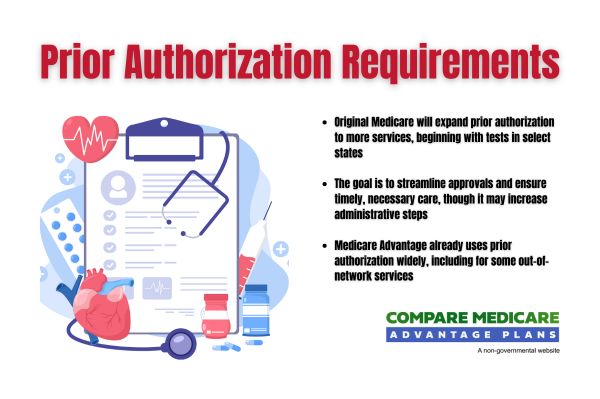
New Prior Authorization Requirements


New Prior Authorization Requirements - Annual Changes


Prior authorization is a critical process in Medicare Advantage plans, ensuring that medical services are necessary before approval. Starting in 2026, changes to this process aim to reduce unnecessary spending while ensuring that necessary services are covered efficiently. These adjustments are intended to streamline the authorization process, making it more efficient and less cumbersome for both beneficiaries and providers.

The new requirements will impact various services and procedures, necessitating a better understanding of what will be affected and how the process improvements will benefit enrollees.


Affected Services

Beginning July 1, 2023, certain medical interventions, such as those for facet joints, will require prior authorization. This is part of the broader effort to ensure that only necessary services receive coverage, helping to manage healthcare utilization effectively.

Beneficiaries should have a reasonable expectation of these changes to avoid unexpected denials of coverage for specific treatments.


Process Improvements

To improve the efficiency of the prior authorization process, several new requirements have been established. These changes aim to reduce delays in approval times and enhance access to necessary services for beneficiaries.

By streamlining the process, Medicare Advantage plans hope to provide more timely and effective care to their enrollees.


Medicare Advantage Plan Enrollment Periods

Enrollment periods for Medicare Advantage plans are crucial for beneficiaries wishing to join, switch, or drop plans. These windows are the only times when coverage changes can be made, making them essential for maintaining or adjusting healthcare plans.

Beneficiaries have ample options, with an average of 43 plans to choose from, to find the best fit for their needs.


Annual Open Enrollment Period

The annual open enrollment period occurs every year from October 15 to December 7. During this timeframe, individuals can:

  • Enroll in new health plans
  • Make changes to their existing health plans
  • Change their Medicare Advantage coverage
  • Switch to a different Medicare plan


Any changes made during this period will take effect on January 1 of the following year, ensuring that beneficiaries have time to review and select the best options for their healthcare needs.

Compare plans and enroll online


 Advertisement

Speak with a licensed insurance agent

1-833-641-4938
TTY 711

Mon-Fri : 8am-9pm ET

compare medicare advantage plans

Special Enrollment Periods

Special Enrollment Periods offer flexibility for beneficiaries who experience specific life events, such as moving or losing other coverage. These periods allow for changes outside the annual open enrollment, providing additional opportunities to adjust your Medicare Advantage plan as needed.

Understanding these periods can help ensure continuous and appropriate current coverage.

Prescription Drug Coverage Enhancements

Prescription drug coverage is a vital component of Medicare Advantage plans, and 2026 will bring enhancements aimed at improving access and affordability, including a prescription drug plan and medicare prescription drug options, as well as prescription drug plans. These changes will ensure that beneficiaries continue to receive necessary medications without incurring prohibitive costs, including medicare prescription drug coverage.

From integrating Part D plans to introducing new medications, these updates are designed to provide comprehensive and cost-effective drug coverage and a drug plan, easing the financial burden on Medicare beneficiaries and ensuring access to various Medicare drug plans.


Part D Plan Integration

 

Part D Plan Integration - Prescription Drug Coverage


Part D plans, which provide prescription drug coverage, are often integrated with Medicare Advantage plans to offer comprehensive healthcare options. During enrollment, it’s crucial for beneficiaries to confirm that their drugs covered are included under the new plan’s formulary to ensure seamless part d coverage.


Cost Sharing for Prescription Drugs

Changes in cost-sharing for prescription drugs are pivotal for beneficiaries under Medicare Advantage plans. For example, beneficiaries will now have a maximum copay of $50 for new weight-loss drugs, making these covered drugs more accessible.

These adjustments manage out-of-pocket expenses and keep necessary medications affordable.


Coverage for New Medications

In 2026, Medicare Advantage plans will introduce coverage for a broader range of medications, including new treatments for obesity such as Zepbound. By expanding the list of covered medications, these plans aim to address significant health issues like obesity more effectively, providing beneficiaries with more treatment options.


Impact of the Inflation Reduction Act on Medicare Advantage

The Inflation Reduction Act has significant implications for Medicare Advantage plans. One of the key provisions is the cap on annual out-of-pocket spending on prescription drugs, set at $2,000 starting in 2025. This cap will help beneficiaries manage their drug costs more effectively, providing financial relief.

Additionally, the Act mandates a maximum monthly charge of $35 for covered insulin products, with no deductible applied. These changes are expected to enhance affordability and access to essential medications for Medicare beneficiaries at maximum fair price established and maximum fair prices.


Insulin Cost Caps

Starting January 1, 2023, Medicare beneficiaries will pay no more than $35 monthly for each covered insulin product. This cost cap applies regardless of the type of insulin used, providing significant financial relief to those managing diabetes.


Zero Cost-Sharing for Vaccines

Medicare Advantage plans have implemented zero cost-sharing for adult vaccines, meaning beneficiaries can receive vaccines recommended by health authorities without any out-of-pocket expenses. This initiative aims to improve vaccination rates and overall public health by removing financial barriers.


Comparing Traditional Medicare and Medicare Advantage

Choosing between Traditional Medicare and Medicare Advantage requires careful consideration of various factors, including coverage options, costs, and provider access. Each option has its advantages and limitations, making it essential for beneficiaries to assess their individual healthcare needs.

Resources like the Medicare & You handbook provide valuable information to help beneficiaries make informed decisions. Understanding the differences in coverage, costs, and provider networks can guide you in selecting the best plan for your situation.


Coverage Differences

Traditional Medicare and Medicare Advantage differ significantly in terms of Medicare coverage. While Medicare Advantage plans often include additional benefits like dental and vision care, original medicare focuses on core medical services.

Beneficiaries must consider their health needs and preferences for healthcare delivery when choosing between these options.


Cost Comparisons

Cost is a critical factor in choosing between Medicare plans. Traditional Medicare typically requires beneficiaries to pay 20% of the Medicare-approved amount for Part B services after meeting their deductible.

In contrast, Medicare Advantage plans may have lower monthly premiums but could involve higher out-of-pocket costs depending on the services used.


Provider Networks

Provider networks are another important aspect to consider. Traditional Medicare offers broader access to doctors and hospitals, whereas Medicare Advantage plans usually require beneficiaries to use a provider network of providers, with higher costs for out-of-network services.

Evaluating the ease of access to healthcare providers is essential during the plan review process.


Reviewing Your Medicare Advantage Plan Annually

Annual reviews of your Medicare Advantage plan are vital to ensure your coverage continues to meet your healthcare needs and financial situation. Changes in health, new benefits, or shifting costs can all impact the suitability of your current plan, as outlined in the annual notice.

A thorough annual review allows you to take advantage of updated benefits and make necessary adjustments to optimize your healthcare coverage.


How to Review Your Plan

Reviewing your Medicare Advantage plan means assessing coverage benefits, associated costs, and the network of providers. Check if your medications are still covered, if preferred doctors remain in-network, and if the benefits align with your healthcare needs.

If you find that your plan no longer meets your requirements, you have the opportunity to switch plans during the designated enrollment periods.


Making Changes


Making Changes - Annual Enrollment Period


Changes to your Medicare Advantage plan can be made during the Annual Open Enrollment Period from October 15 to December 7. Special Enrollment Periods are also available for life events like moving or losing other coverage.

Understanding these enrollment options is crucial for ensuring you can switch plans effectively when needed.


Resources for Assistance

Several resources are available to assist you in reviewing and making changes to your Medicare Advantage plan. The Medicare & You handbook, the Medicare Plan Compare website, and the State Health Insurance Assistance Program (SHIP) provide valuable information and personalized assistance to help you navigate your options.

Additionally, calling 1-800-MEDICARE can offer further guidance and support.

Summary

As 2026 approaches, staying informed about the changes to Medicare Advantage plans is essential for all beneficiaries. From expanded benefits and enhanced chronic care management to adjustments in costs and new prior authorization requirements, these updates aim to improve the overall healthcare experience. By understanding and leveraging these changes, you can ensure that your Medicare Advantage plan continues to meet your healthcare needs effectively.

In conclusion, regularly reviewing your plan, understanding enrollment periods, and being aware of cost-sharing changes will enable you to make the most of your Medicare coverage. Utilize available resources to stay informed and make educated decisions, ensuring that you receive the best possible care and support from your Medicare Advantage plan.

Frequently Asked Questions


What are the new supplemental benefits included in Medicare Advantage plans for 2026?

Starting in 2026, Medicare Advantage plans will offer enhanced supplemental benefits such as expanded dental, vision, and fitness services, along with support for social needs, including transportation and meal delivery. These changes aim to improve overall health and well-being for beneficiaries.


How will the changes in premiums and deductibles affect my Medicare Advantage plan costs in 2026?

The anticipated decrease in average premiums for Medicare Advantage plans may help reduce overall costs, but the projected increase in the Medicare Part B annual deductible could offset these savings. It is essential to evaluate both changes to understand the net impact on your expenses in 2026.


What are the new prior authorization requirements starting in 2026?

Starting in 2026, new prior authorization requirements will be implemented for services such as facet joint interventions, aimed at reducing unnecessary expenditures while ensuring necessary services are efficiently covered.


How do the special enrollment periods work for Medicare Advantage plans?

Special Enrollment Periods for Medicare Advantage plans enable beneficiaries to alter their coverage when specific life events occur, such as relocating or losing existing coverage. These periods ensure that individuals can adapt their healthcare plans to their changing circumstances.


What resources are available to help me review and change my Medicare Advantage plan?

To effectively review and change your Medicare Advantage plan, you can utilize resources like the Medicare & You handbook, the Medicare Plan Compare website, the State Health Insurance Assistance Program (SHIP), and the 1-800-MEDICARE hotline for guidance. These tools will help you make informed decisions about your healthcare coverage.

call today for help

 ZRN Health & Financial Services, LLC, a Texas limited liability company

Find & Compare Plans Online 


 Advertisement

Speak with a licensed insurance agent

 1-833-641-4938
TTY 711

Mon-Fri : 8am-9pm EST

( Medicare Expert )

Russell Noga is the CEO of ZRN Health & Financial Services, and head content editor of several Medicare insurance online publications. He has over 15 years of experience as a licensed Medicare insurance broker helping Medicare beneficiaries learn about Medicare, Medicare Advantage Plans, Medigap insurance, and Medicare Part D prescription drug plans.