






Medicare Advantage Prescription Drug Coverage 2026
The Medicare Advantage Prescription Drug Coverage may see updates in 2026. Beneficiaries could potentially receive an out-of-pocket maximum for prescription drugs, adjusted premiums and deductibles, and may even receive additional benefits like free vaccines and capped insulin costs.
This article covers the potential changes regarding Medicare Advantage Prescription Drug Coverage in 2026, explains how these changes could affect you, and offers tips for managing your Medicare plan, particularly in relation to Medicare Advantage Prescription Drug Coverage 2026.
Key Takeaways
- In 2026, Medicare Advantage Prescription Drug Coverage might introduce an out-of-pocket maximum for prescription drugs at around $2,100, along with a potential drop in average monthly premiums and other cost-saving measures.
- Beneficiaries could potentially benefit from enhanced services, such as a no-cost annual Healthy Home Visit, access to a broad pharmacy network, and additional support through the Special Supplemental Benefits for the Chronically Ill program.
- Automatic re-enrollment for Medicare Prescription Payment Plans will ensure continuous coverage, while prior authorization requirements for certain drugs might be implemented, which could affecting claims processing for nearly all enrollees.
Compare Plans In One Step!
Potential Changes to Medicare Advantage Prescription Drug Coverage in 2026
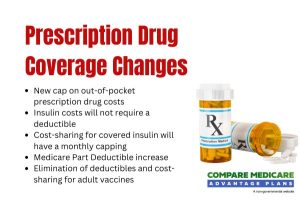
The year 2026 might herald several changes to Medicare Advantage Prescription Drug Coverage that could directly impact Medicare beneficiaries. One such change might be the introduction of an out-of-pocket maximum for covered prescription drugs under Medicare Part D, capped at around $2,100.
This cap will likely be a significant step towards helping to reduce the financial burden on beneficiaries, possibly ensuring that high drug costs do not hinder access to necessary medications.
Other possible financial changes to consider may include:
- Deductibles for Part D plans may rise by an average of 4.2%.
- Beneficiaries should consider this increase in their healthcare budgeting.
- The average monthly premiums for Medicare Advantage plans are set to drop from $16.40 in 2025 to $14.00 in 2026, offering some financial relief.
Other provisions that might be introduced in 2026 include:
- Negotiated drug prices
- Free vaccinations, aimed at enhancing drug affordability
- A cap on insulin costs, ensuring that insulin-dependent enrollees do not pay more than $35
These measures will likely reflect a broad range efforts to make prescription drugs more accessible and affordable for all Medicare beneficiaries under a prescription drug plan.
These potential changes will likely aim to create a more predictable and manageable cost structure for beneficiaries, which might include measures to help prevent significant year-over-year premium increases for standalone Part D plans.
Understanding these potential updates could help Medicare members navigate their health plans and make informed decisions about their prescription drug coverage.
Possible Benefits for Medicare Advantage Enrollees
In 2026, some Medicare Advantage enrollees might experience a range of additional benefits that could potentially improve their overall health care experience. Some plan providers, like Aetna, may provide a broad pharmacy network that might include major retailers like CVS, Walgreens, and Walmart, possibly making medication accessibility more convenient for members.
Members may also gain from a no-cost annual Healthy Home Visit by a licensed clinician, which assesses health needs and home safety. This proactive approach could help to identify potential health issues early, enabling timely interventions and better health outcomes.
Another potential enhancement might bethe Extra Benefits Card, which members can use for various health-related purchases at CVS Health and other participating locations. This card could potentially streamline access to supplemental benefits, simplifying the management of health care needs.
Furthermore, Special Needs Plans may also offer a plan that could provide targeted benefits to support members with unique health needs, ensuring comprehensive care for all.
Understanding the Inflation Reduction Act’s Impact on Drug Prices

The Inflation Reduction Act has been a significant piece of legislation. It allows Medicare to negotiate prices directly with pharmaceutical manufacturers for expensive drugs.
This power will likely be set to revolutionize the way drug prices are determined, starting with the first set of negotiated prices in 2026, which will likely focus on ten specific drugs that are generally brand-name medications with little to no competition.
These negotiated prices could potentially lead to a significant reduction in out-of-pocket expenses for beneficiaries, who paid around $3.4 billion for these drugs in 2022.
Lowering the cost of high-priced medications will likely aim to alleviate the financial burden on Medicare beneficiaries, possibly making essential treatments more affordable at lower costs advertised at lower cost preferred pharmacies.
After the initial set of negotiated prices, additional drugs will likely join the negotiation list each year, potentially expanding savings further for Medicare beneficiaries. This ongoing effort to control drug costs likely underscores the commitment to making Medicare drug prescription drug coverage more sustainable and accessible for all.
Navigating the Initial Coverage Stage
The initial coverage stage of Medicare Part D coverage likely acts as a critical phase where beneficiaries could pay up to 25% of the cost for both generic and brand-name medications until they reach an out-of-pocket spending limit, which might be a covered part of their Medicare benefits.
In 2026, the out-of-pocket threshold for this stage has been set at $2,100, after which beneficiaries transition to catastrophic Medicare coverage.
Plans may impose a yearly deductible, which cannot exceed $615 in 2026, though some plans may not require any deductible at all. This variation in deductible structures means beneficiaries should carefully compare their options to find the best fit for their financial situation.
The costs incurred during the initial coverage stage will likely contribute to the total amount toward the beneficiary’s out-of-pocket limit, ultimately affecting the transition to catastrophic coverage.
Understanding these dynamics is crucial for effectively managing drug costs and ensuring continuous access to necessary medications through cost sharing.
Compare plans and enroll online

Prior Authorization Requirements for Covered Drugs
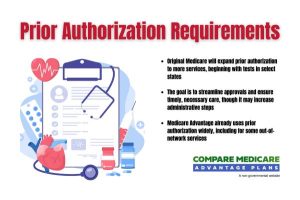
Starting January 1, 2026, Medicare Advantage plans may introduce prior authorization requirements for certain covered drugs.
This potential change might mean that approximately 99% of Medicare Advantage enrollees will need to obtain approval before their prescriptions are covered under their plans, including those related to Medicare drug coverage.
The implementation of these requirements could potentially ensure medications are used appropriately and cost-effectively. However, it may also introduce an additional step in the claims process, which may be frustrating for beneficiaries.
Notably, around 75% of Medicare Advantage denials were overturned upon appeal, likely highlighting the significant impact of prior authorization on the claims process.
Efforts to reduce the number of claims subject to prior authorization will likely begin on January 1, 2026. Understanding how these requirements work and preparing for potential delays could help beneficiaries navigate their prescription drug coverage more effectively.
Automatic Reenrollment in Medicare Prescription Payment Plans
For those enrolled in the Medicare Prescription Payment Plan, automatic re-enrollment ensures continuous coverage without the need for annual reapplication. Key points include:
- Beneficiaries who enroll in the payment plan in 2026 will automatically remain enrolled in 2027 unless they choose to opt out.
- This seamless process helps maintain consistent coverage.
- This could simplify the administrative burden for beneficiaries.
Upon signing up for the payment plan, beneficiaries receive a contract renewal notice outlining the new terms and conditions. If a beneficiary decides to opt out, providers must process the request within three calendar days, ensuring a swift transition.
This automatic reenrollment feature will likely offer peace of mind and continuity of coverage for Medicare beneficiaries.
Comparing Plan Options for Lower Costs

Comparing plan options is crucial for managing drug costs. Some Medicare Advantage plans may offer lower premiums compared to Original Medicare, with members only needing to pay the standard Part B premium. However, Part D premiums might vary based on the chosen drug plan and the beneficiary’s income level.
When evaluating plans, consider the following:
- Potential out-of-pocket expenses and deductibles that may be associated with Medicare Advantage.
- Choosing in-network providers, which might result in lower out-of-pocket expenses compared to out-of-network services.
- Some plans may have specific network pharmacies where members could potentially save on drug costs, so verify that your preferred pharmacies are included.
Online tools can be invaluable for comparing costs across different plans. By inputting your medications and preferred pharmacies, you can get a clear picture of the potential savings and make an informed decision.
Regularly reviewing your traditional Medicare benefits may also reveal additional coverage options you may not have initially recognized.
Special Supplemental Benefits for the Chronically Ill
The Special Supplemental Benefits for the Chronically Ill (SSBCI) program allows Medicare Advantage plans to offer additional benefits to members with serious chronic conditions.
These benefits will likely focus on non-medical support services, such as assistance with healthy food purchases and utility bills, which could enhance the quality of life for chronically ill enrollees.
Eligibility for SSBCI benefits will likely be determined by having a qualifying chronic illness, which might include conditions like diabetes, cancer, and heart disease. While these benefits do not extend to covering prescription drug costs, they could offer comprehensive care coordination to help manage chronic conditions more effectively.
Providing targeted support, SSBCI will likely aim to improve the overall well-being of chronically ill members and help them lead healthier, more stable lives.
How to Make the Most of Your Medicare Advantage Plan
Maximizing the benefits of your Medicare Advantage plan will likely involve strategic management of out-of-pocket costs.
The Medicare Prescription Payment Plan, introduced in 2025, allows beneficiaries to spread their prescription costs across monthly payments instead of paying a lump sum. This approach could potentially make managing expenses more manageable and may reduce financial strain.
Staying informed about the possible benefits and cost-saving opportunities available through your plan may also help you make the most of your Medicare Advantage coverage. Regularly reviewing your plan and understanding how to navigate its features effectively will likely ensure you receive the best possible care.
Preparing for Open Enrollment
The Medicare Annual Enrollment Period, occurring from October 15 to December 7, is a crucial time for beneficiaries and Medicare enrollees to review and adjust their coverage. During this period, you can join, drop, or switch plans, making it essential to understand the potential changes and how they might affect your coverage options.
Beneficiaries should prepare by familiarizing themselves with possible changes and options available for 2026. Understanding these updates enables informed decisions about health care needs and will likely ensure enrollment in the most suitable health care providers plan with up to date information.
CMS might introduce some features to simplify comparing plans during open enrollment, helping beneficiaries make more informed plan choices. Taking advantage of these tools and plan materials will likely ensure that you select the best plan for your needs and avoid any potential late enrollment penalties.
Summary
The possible changes to Medicare Advantage Prescription Drug Coverage in 2026 could offer significant enhancements that will likely be aimed at improving affordability and access. From new cost structures to additional benefits and the impact of the Inflation Reduction Act, these potential updates will likely be designed to provide better care and financial relief for Medicare beneficiaries.
As you prepare for the upcoming year, stay informed about your options and take advantage of the resources available to you. By making proactive decisions and understanding your coverage, you can ensure that you receive the best possible care and make the most of your Medicare Advantage plan.
Frequently Asked Questions
→ What is the new out-of-pocket maximum for Medicare Part D in 2026?
The out-of-pocket maximum for Medicare Part D will be $2,100 in 2026. This update could help beneficiaries manage their prescription drug costs more effectively.
→ How might the Inflation Reduction Act affect drug prices for Medicare beneficiaries?
The Inflation Reduction Act could potentially reduce drug prices for Medicare beneficiaries by enabling Medicare to negotiate directly with pharmaceutical manufacturers for high-cost drugs, beginning with ten specific medications in 2026.
This policy might lead to substantial savings for those who rely on Medicare for their prescriptions.
→ What are the potential benefits of the Extra Benefits Card for Medicare Advantage enrollees?
The Extra Benefits Card could provide Medicare Advantage enrollees with a convenient way to manage various health-related purchases using a single card, likely enhancing access to essential supplemental benefits. This might simplify the process for beneficiaries while ensuring they can easily utilize their benefits at participating locations.
→ How does automatic reenrollment in the Medicare Prescription Payment Plan work?
Automatic reenrollment in the Medicare Prescription Payment Plan allows beneficiaries who enroll in 2026 to stay enrolled in 2027 unless they choose to opt out. They will be informed of this through a renewal notice detailing the new terms and conditions.
→ What is the purpose of the Special Supplemental Benefits for the Chronically Ill (SSBCI)?
The purpose of the Special Supplemental Benefits for the Chronically Ill (SSBCI) is to provide Medicare Advantage members with serious chronic conditions additional non-medical support services, such as assistance with healthy food purchases and utility bills, possibly enhancing their quality of life.
Have Questions?
Speak with a licensed insurance agent
1-833-641-4938
TTY users 711
Mon-Fri: 8am-9pm ET
Find & Compare Plans Online
ZRN Health & Financial Services, LLC, a Texas limited liability company

Russell Noga is the CEO of ZRN Health & Financial Services, and head content editor of several Medicare insurance online publications. He has over 15 years of experience as a licensed Medicare insurance broker helping Medicare beneficiaries learn about Medicare, Medicare Advantage Plans, Medigap insurance, and Medicare Part D prescription drug plans.