





Medicare Savings Programs and Advantage Plans 2026
Significant changes are coming to Medicare Savings Programs and Advantage Plans 2026. This article will guide you through updated income limits, benefits, and the phasing out of many Medicare Advantage Plans, helping you navigate these new developments effectively.
Key Takeaways
- Medicare Savings Programs (MSPs) assist low-income beneficiaries with healthcare costs, offering various programs tailored to specific needs, such as the QMB, SLMB, QI, and QDWI programs.
- Significant changes to Medicare Advantage Plans in 2026 include lower out-of-pocket maximums, enhanced prescription drug coverage, and a pilot program for prior authorizations aimed at improving efficiency.
- Beneficiaries should actively review their Medicare plans annually during the open enrollment period to adapt to new changes, utilizing tools like the Medicare Plan Finder and seeking assistance from SHIP programs.
Compare Plans In One Step!
Medicare Savings Programs Overview
Medicare Savings Programs (MSPs) are designed to assist Medicare beneficiaries in covering various healthcare costs, including premiums for Part A and Part B, deductibles, coinsurance, and copayments.
These programs are critical in helping lower-income individuals manage their Medicare-related expenses and reduce their financial burden. MSPs offer vital financial support, enabling beneficiaries to access healthcare services without the concern of exorbitant out-of-pocket costs.
The eligibility for these programs is determined by income and resource limits, which adjust annually to reflect inflation and other economic factors. For 2026, these new income limits will be effective starting January 1.
Each program within the MSPs caters to specific needs and situations, offering tailored support to different groups of beneficiaries.
Let’s explore the specifics of each program:
- The Qualified Medicare Beneficiary (QMB) Program
- The Specified Low-Income Medicare Beneficiary (SLMB) Program
- The Qualifying Individual (QI) Program
- The Qualified Disabled & Working Individual (QDWI) Program.
Qualified Medicare Beneficiary (QMB) Program
The Qualified Medicare Beneficiary (QMB) Program is a lifeline for many, covering essential expenses such as:
- Part A premiums
- Part B premiums
- Deductibles
- Coinsurance
- Copayments
One of the standout features of the QMB program is that beneficiaries cannot be charged by Medicare providers for covered services and items, effectively eliminating out-of-pocket costs for many Medicare-covered services.
Applications for the QMB program are handled by state agencies on a state-by-state basis. This program is essential for qualifying individuals, allowing access to necessary Medicare services without the usual financial stress.
Specified Low-Income Medicare Beneficiary (SLMB) Program
The Specified Low-Income Medicare Beneficiary (SLMB) Program specifically assists eligible individuals with paying their Medicare Part B premiums and offers special supplemental benefits. To qualify, applicants must be enrolled in both Medicare Part A and Part B.
This Medicare program provides crucial support to those just above the poverty line, helping them manage the often substantial costs to pay for paid Medicare premiums and supplemental benefits.
Qualifying Individual (QI) Program
The Qualifying Individual (QI) Program is another critical component of the Medicare Savings Programs, providing assistance to eligible individuals by helping cover their Part B premiums.
Beneficiaries must be enrolled in both Part A and Part B to qualify for the QI program, which requires annual reapplication due to its first-come, first-served nature.
For those whose income exceeds the federal limits for the QI program, contacting your state agency is recommended. States may adjust eligibility criteria and offer additional support programs to bridge the gap.
Qualified Disabled & Working Individual (QDWI) Program
The Qualified Disabled & Working Individual (QDWI) Program is designed for individuals with disabilities who are returning to work and have lost their premium-free Part A benefits as a result.
This program helps cover Part A premiums for these working individuals, ensuring they maintain essential health coverage as they transition back into the workforce.
Changes to Medicare Advantage Plans in 2026
Medicare Advantage Plans are undergoing significant changes in 2026, promising to alter the landscape for many beneficiaries. One of the most notable changes is the coverage for GLP-1 receptor agonists, which will provide additional treatment options for obesity.
This is a significant step forward in addressing chronic health conditions within the Medicare population.
However, most Medicare Advantage plans will be phased out in 2026, leading many beneficiaries to return to Original Medicare. This transition will have profound implications, requiring beneficiaries to navigate new coverage options and adjust to the benefits and limitations of Original Medicare. Being informed about these changes is vital for making the best decisions regarding your healthcare coverage.
Lower Out-of-Pocket Maximums
One of the key changes to Medicare Advantage plans in 2026 is the reduction in out-of-pocket maximums:
- The maximum out-of-pocket cost for Medicare Advantage plans will be $9,250.
- This is a decrease from the previous year’s limit of $9,350.
- This reduction, though slight, aims to alleviate some of the financial burdens on beneficiaries.
Beneficiaries should be aware of the specific out-of-pocket costs associated with Medicare Advantage plans, including deductibles, coinsurance, copayments, and medical costs. These changes aim to make healthcare more affordable and accessible.
Enhanced Prescription Drug Coverage
Starting in 2026, Medicare beneficiaries will benefit from enhanced prescription drug coverage, including a $35 monthly cap on insulin expenses. This change is particularly significant for those managing diabetes, as it ensures that insulin remains affordable.
Additionally, Medicare Advantage plans will offer zero cost-sharing for vaccines, allowing beneficiaries to receive necessary immunizations without incurring additional costs. These enhancements are designed to improve overall health outcomes by making essential medications and preventive care more accessible.
Compare plans and enroll online

Prior Authorization Pilot Program
A new pilot program for prior authorization will be launched in six states, utilizing artificial intelligence to streamline the approval processes. This initiative aims to reduce the administrative burden and improve the efficiency of obtaining necessary medical services.
Important Updates to Prescription Payment Plans

Significant updates to Medicare prescription payment plans are set to take effect in 2026, aiming to simplify and enhance the process for beneficiaries.
One notable change is the implementation of an automatic renewal process, ensuring that beneficiaries remain enrolled in their prescription plans unless they choose to opt out. This change is designed to reduce administrative burdens and ensure continuous coverage.
Moreover, increases in deductibles and spending caps will affect beneficiaries’ financial responsibilities, emphasizing the need to stay informed and proactive about Medicare coverage.
Automatic Renewal Process
In 2026, Medicare prescription payment plans will implement an automatic renewal process for beneficiaries, ensuring they remain enrolled unless they choose to opt out.
This new process simplifies the renewal experience, making it easier for beneficiaries to maintain their coverage without the need for annual reapplication.
Increased Deductibles and Spending Caps
Starting in 2026, the Medicare Part D deductible will rise to $615, impacting the financial responsibilities of beneficiaries. This increase may lead to higher upfront costs before Medicare Part D coverage kicks in.
Additionally, the maximum out-of-pocket costs for Medicare Part D will be set at $2,100. While this cap provides some protection against excessive expenses, the higher deductibles underscore the importance of budgeting for Medicare costs and health care costs.
How to Enroll and Benefit from Medicare Savings Programs
Enrolling in Medicare Savings Programs can significantly reduce your healthcare costs and provide additional benefits. Understanding the eligibility criteria, the application process, and the extra benefits available can help you make the most of these programs.
Eligibility Criteria
To qualify for Medicare Savings Programs, individuals must meet specific income and resource limits. These limits are subject to annual adjustments to accommodate inflation and other economic changes. Even if you believe you may not qualify, it’s recommended to apply, as some states may not count certain income or resources.
In 2024, the income limit for an individual to qualify for the QMB program was $1,325 per month. For the SLMB program, the income limit was $1,585 per month. Married couples have different thresholds, and these limits generally increase each year.
Application Process
Applications for Medicare Savings Programs are handled by state agencies, which determine eligibility and benefits. Important points to consider:
- Apply after January 1 if you qualify under the new income and resource limits.
- For the QI program, beneficiaries must reapply annually.
- The QI program operates on a first-come, first-served basis.
Annual reapplication ensures continued assistance for Part B premiums, highlighting the reasonable expectation to stay proactive for continuous coverage.
Additional Benefits
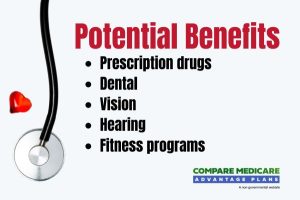
Enrollment in a Medicare Savings Program may also qualify you for Extra Help with prescription drug costs, covering the basic Part D plan premium and significantly reducing deductibles and copayments, including Medicare prescription drug coverage, the prescription drug program, prescription drugs, and prescription coverage.
For those enrolled in the QMB program, there are no deductibles or copayments for covered services, further easing the financial burden of healthcare expenses. These additional benefits make enrolling in Medicare Savings Programs highly advantageous.
Reviewing and Changing Your Medicare Plan Annually
It’s essential to review and potentially change your Medicare plan annually to adapt to new costs, benefits, and personal health needs.
The annual open enrollment period allows for significant changes to your change plans coverage.
Open Enrollment Period
The open enrollment period runs from October 15 to December 7 each year, allowing beneficiaries to modify their Medicare health and drug plans without penalties. This period is crucial for making adjustments to ensure your coverage meets your needs for the upcoming year.
Using the Medicare Plan Finder
The Medicare Plan Finder is an invaluable tool for comparing different ma plans based on your specific needs. It allows users to compare various plans based on coverage options, costs, and provider networks, making it easier to find a ma plan that fits your requirements.
The Medicare Plan Finder simplifies evaluating Medicare Advantage and Part D plans, aiding in informed healthcare coverage decisions.
Seeking Assistance
Beneficiaries can access personalized help through SHIP programs, which offer confidential guidance in selecting and reviewing Medicare plans. These programs provide tailored financial and coverage advice, helping you navigate your Medicare options effectively.
Summary
As we look ahead to 2026, it’s clear that significant changes to Medicare Savings Programs and Medicare Advantage Plans will impact the landscape of healthcare coverage for many beneficiaries. By understanding these updates, you can make informed decisions that optimize your healthcare coverage and minimize out-of-pocket costs.
Staying proactive, reviewing your plans annually, and taking advantage of the tools and resources available—such as the Medicare Plan Finder and SHIP programs—will ensure that you are well-prepared to navigate the evolving Medicare landscape. Embrace these changes with confidence, knowing that you have the knowledge and resources to make the best decisions for your healthcare needs.
Frequently Asked Questions
→ Is Humana dropping Medicare Advantage plans in 2026?
Humana will indeed be exiting Medicare Advantage markets in 2026, affecting about 500,000 enrollees across two states. This decision will reduce their operations to 46 states and Washington, D.C.
→ What are the new out-of-pocket maximums for Medicare Advantage Plans in 2026?
The out-of-pocket maximum for Medicare Advantage Plans in 2026 will be $9,250, representing a decrease from $9,350 in 2025. This change provides some financial relief for beneficiaries.
→ How will the changes to prescription drug coverage affect my insulin costs?
The changes to prescription drug coverage will cap your monthly insulin costs at $35 starting in 2026, significantly reducing your expenses for this essential medication. This adjustment aims to make insulin more affordable for Medicare beneficiaries.
→ What is the automatic renewal process for Medicare prescription payment plans?
The automatic renewal process for Medicare prescription payment plans will begin in 2026, automatically keeping beneficiaries enrolled unless they decide to opt out. This approach ensures continuous access to necessary prescription coverage.
→ How do I qualify for the Qualified Medicare Beneficiary (QMB) Program?
To qualify for the Qualified Medicare Beneficiary (QMB) Program, you must meet certain income and resource limits, and applications are processed through your state agencies. Ensure you verify these criteria to determine your eligibility.
Have Questions?
Speak with a licensed insurance agent
1-833-641-4938
TTY users 711
Mon-Fri: 8am-9pm ET
Find & Compare Plans Online
ZRN Health & Financial Services, LLC, a Texas limited liability company

Russell Noga is the CEO of ZRN Health & Financial Services, and head content editor of several Medicare insurance online publications. He has over 15 years of experience as a licensed Medicare insurance broker helping Medicare beneficiaries learn about Medicare, Medicare Advantage Plans, Medigap insurance, and Medicare Part D prescription drug plans.