






Out of Network Medicare Coverage 2026
Worried about Out of Network Medicare Coverage 2026? Get the facts on new rules, rising costs, and what it means for your healthcare. Learn how to manage these changes and avoid surprises.
Key Takeaways
- Out-of-network Medicare coverage allows beneficiaries flexibility but often results in higher out-of-pocket costs compared to in-network services.
- Significant changes to out-of-network services are expected in 2026, including lower reimbursement rates and mandatory prior authorization for specific procedures.
- Beneficiaries should regularly review their Medicare plans and utilize cost estimation tools to manage expenses associated with out-of-network services effectively.
Compare Plans In One Step!
Understanding Out-of-Network Medicare Coverage

Out-of-network coverage allows Medicare beneficiaries to access medical services from providers who do not participate in their plan’s network. While this flexibility can be beneficial, it often comes with higher out-of-pocket expenses.
Out-of-network providers typically charge more than in-network providers, leading to significant cost differences that can impact your financial planning.
Each Medicare Advantage plan has unique policies regarding out-of-network coverage, which can vary significantly. For example, some plans might cover out-of-network services only in emergencies, while others might offer limited coverage at higher rates.
Knowing how your plan handles out-of-network services can help prevent unexpected costs. Familiarize yourself with your in-network provider network details and the applicable cost-sharing amount to make informed decisions and potentially save money by staying within your network.
Changes to Out-of-Network Services in 2026
In 2026, Medicare Advantage plans will undergo several significant changes that will affect out-of-network services. One notable change is that some plans may offer out-of-network benefits at a reduced reimbursement rate.
This means that while you can still access out-of-network providers, the reimbursement rate will be lower, resulting in higher out-of-pocket costs.
Moreover, Original Medicare Advantage plans will face limitations regarding modifying previously approved inpatient admissions under the new plan, as certain provisions will require strong justification, making it crucial for beneficiaries to change plans and understand their MA plans policies thoroughly.
Additionally, most plans for Medicare Part beneficiaries should be aware of these changes, especially in light of the final rule, including the covered part of their coverage.
Additionally, starting January 1, 2026, prior authorization will be mandatory for specific procedures in six states under Traditional Medicare in the subsequent year, which may require planning over several calendar days. This new requirement underscores the importance of planning and obtaining necessary approvals ahead of time.
These changes underscore the importance of staying informed about coverage policies. Understanding these updates helps you navigate healthcare options and avoid potential pitfalls with out-of-network services.
Compare plans and enroll online

Out of Pocket Expenses for Out of Network Services

Using out-of-network services can lead to significantly higher healthcare expenses compared to in-network services. In 2026, the maximum out-of-pocket limit for out-of-network services under Medicare Advantage plans is set at $13,900.
This limit is substantially higher than the out-of-pocket maximum for in-network services, emphasizing the financial impact of going out-of-network.
Medicare Advantage plans typically impose a higher deductible and co-pays for out-of-network services. These plans generally charge more or even the full amount for services accessed outside their network, which can lead to substantial medical costs for beneficiaries. Staying within your provider network can thus result in significant savings.
Medicare may deny coverage if prior approval for required treatments is not obtained, resulting in out-of-pocket expenses. Understanding your plan’s requirements and securing necessary authorizations can minimize unexpected costs and ensure proper prescription drug coverage.
How to Access Out-of-Network Providers
Careful planning and verification are essential when accessing out-of-network providers. Always verify your out-of-network provider’s participation with Medicare to avoid unexpected costs and higher out-of-pocket expenses for uncovered services.
Using telehealth services can also be a convenient way to access out-of-network providers without incurring extra travel costs. Telehealth has become increasingly popular, offering a practical solution for receiving medical care from specialists who may not be within your provider network.
Keeping detailed records of your medical visits and communications with out-of-network providers can facilitate claims and help resolve any disputes regarding coverage and reimbursement.
Physicians must submit documentation for prior approval before certain procedures, potentially causing additional administrative burdens and delays.
Special Supplemental Benefits for Chronically Ill Beneficiaries
For Medicare Advantage participants with chronic conditions, Special Supplemental Benefits for the Chronically Ill (SSBCI) can be a game-changer. These benefits are designed to enhance or sustain the health and overall functionality of chronically ill individuals, offering extra benefits that go beyond standard coverage.
Not all items and services qualify as SSBCI; for example, unhealthy food and substances like alcohol and tobacco are excluded. This rule ensures that the benefits provided are conducive to improving health and well-being.
SSBCI are designed for more than just health-related items, allowing beneficiaries to access a broader range of supportive services tailored to their needs, enhancing their overall quality of life.
Navigating Prior Authorizations for Out-of-Network Services
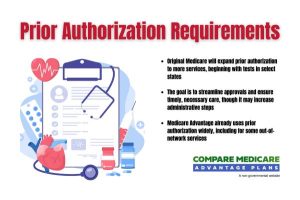
Prior authorization is crucial when seeking out-of-network services under Medicare Advantage plans, which often require prior approval from a primary care provider. Check these requirements before seeking care.
The WISeR program is designed to streamline the prior authorization process, utilizing artificial intelligence to assist in reviewing requests. This can help reduce unnecessary procedures and combat fraud, although final decisions will still be made by human reviewers. The initiative aims to improve patient safety and encourage more cost-effective medical treatments.
Understanding the prior authorization process and staying updated on changes can help beneficiaries navigate healthcare options more effectively and avoid unexpected out-of-pocket expenses.
Comparing In-Network vs. Out-of-Network Costs

For Medicare beneficiaries, comparing in-network and out-of-network service costs is crucial. Tools like the FAIR Health Medical and Dental Cost Lookup can help estimate and compare medical service costs, providing transparency on the maximum fair price established for expected expenses.
By leveraging these cost estimation tools, beneficiaries can make more informed decisions regarding their healthcare options. Understanding the cost differences between in-network and out-of-network services can help balance the need for care with budgetary constraints.
These tools aid financial planning, helping beneficiaries anticipate expenses and potentially avoid higher out-of-pocket costs associated with out-of-network services. Informed choices can lead to better health outcomes and financial stability, providing a significant benefit.
Tips for Managing Out-of-Network Medical Costs
Managing out-of-network medical costs is key to minimizing expenses and ensuring access to care. Negotiating costs with healthcare providers is one effective strategy for reducing out-of-network expenses.
Inquiring about payment plans or discounts directly from your out-of-network provider is another practical approach. Before receiving services, ask for the billing code and total negotiated price to prepare for possible negotiations, helping manage your medical costs more effectively.
By implementing these strategies, you can better control your health care expenses and ensure that you receive the necessary medical care without facing financial hardship.
Reviewing Your Medicare Plan Annually
Reviewing your Medicare plan annually ensures it continues to meet your healthcare needs, as healthcare needs can shift over time. During the Fall Medicare Open Enrollment Period, SHIP counselors can assist in reviewing Medicare plan options and provide enrollment information, offering invaluable guidance.
SHIP programs provide personalized and unbiased assistance during the enrollment period, helping beneficiaries select the best plan for their needs. The average monthly premium for a Medicare Advantage plan will decrease to $14.00 in 2026, making it an opportune time to reevaluate your plan options.
Regularly reviewing your current Medicare plan helps ensure you are not overpaying for services and that your coverage aligns with your health needs.
Seeking Assistance

Navigating Medicare coverage can be complex, but resources like the State Health Insurance Assistance Programs (SHIP) offer:
- Personalized counseling to help beneficiaries understand their options and make informed decisions about their coverage.
- Unbiased guidance from trained professionals.
- Accurate and helpful information.
Local SHIP counselors can assist with everything from plan comparisons to understanding specific coverage details.
Medicare agents and brokers are valuable resources for finding plans that fit individual needs, especially for out-of-network coverage, helping you navigate the complexities of Medicare and find the best plan for your situation.
Summary
Navigating the complexities of out-of-network Medicare coverage in 2026 requires a thorough understanding of your plan’s policies, potential costs, and available resources. By staying informed about changes and utilizing available tools and assistance, you can make better decisions and manage your healthcare expenses more effectively.
Take proactive steps to review your Medicare plan annually, seek assistance when needed, and explore strategies for managing out-of-network costs. These efforts will help ensure that you receive the necessary care while maintaining financial stability.
Frequently Asked Questions
→ What will happen to Medicare in 2026?
In 2026, the standard monthly premium for Medicare Part B will increase to $202.90, and the Part B deductible will rise to $283. This increase will significantly affect retirees, consuming a substantial portion of the Social Security cost-of-living adjustment.
→ What are the main changes to out-of-network services in 2026?
In 2026, certain Medicare Advantage plans will implement out-of-network benefits with reduced reimbursement rates, and Traditional Medicare will require prior authorization for specific procedures in six states. These changes reflect a shift in how out-of-network services will be managed.
→ How can I manage out-of-network medical costs?
To effectively manage out-of-network medical costs, consider negotiating with your healthcare provider for discounts or payment plans while being informed about the billing codes and total charges. This proactive approach can lead to more manageable expenses.
→ What are Special Supplemental Benefits for the Chronically Ill (SSBCI)?
Special Supplemental Benefits for the Chronically Ill (SSBCI) are designed to enhance the health and functionality of individuals with chronic illnesses by providing additional support beyond standard health coverage. These benefits aim to address specific needs that improve the overall quality of life for those affected.
→ Why is it important to review my Medicare plan annually?
It is important to review your Medicare plan annually to ensure it continues to meet your evolving health needs and to avoid overpaying for services. Regular reviews help you make informed decisions about your healthcare coverage.
Have Questions?
Speak with a licensed insurance agent
1-833-641-4938
TTY users 711
Mon-Fri: 8am-9pm ET
Find & Compare Plans Online
ZRN Health & Financial Services, LLC, a Texas limited liability company

Russell Noga is the CEO of ZRN Health & Financial Services, and head content editor of several Medicare insurance online publications. He has over 15 years of experience as a licensed Medicare insurance broker helping Medicare beneficiaries learn about Medicare, Medicare Advantage Plans, Medigap insurance, and Medicare Part D prescription drug plans.