How Doctor Networks Work in Medicare Advantage Plans

Understanding how doctor networks work in Medicare Advantage plans is crucial for making informed healthcare decisions. In this article, we’ll explain the structure and types of these networks, their impact on your access to care, and the cost implications of using in-network versus out-of-network providers. By the end, you’ll have a clear understanding of how to navigate these networks effectively.


Key Takeaways


  • Medicare Advantage plans feature restricted provider networks influenced by local market characteristics, requiring beneficiaries to understand the specific types of plans available to make informed coverage decisions.


  • Access to care in Medicare Advantage is heavily dependent on network types, with HMO plans offering lower costs but limited flexibility, while PPO plans provide more provider options at higher out-of-pocket expenses.


  • Evaluating provider networks prior to enrollment is essential for Medicare beneficiaries to avoid dissatisfaction and ensure access to preferred healthcare providers and necessary services.

Compare Plans in One Step!

Enter Zip Code


 Advertisement

What Are Medicare Advantage Plan Networks?

How Doctor Networks Work in Medicare Advantage Plans


Medicare Advantage plans, also known as Part C, offer an alternative way to receive Medicare benefits. Unlike traditional Medicare, which provides broader access to healthcare providers, Medicare Advantage plans come with more limited provider networks. These networks consist of doctors, hospitals, and other healthcare providers that beneficiaries must use to receive the full benefits of their plan.

The design of these networks is heavily influenced by local market characteristics rather than insurer practices, meaning that the availability and composition of provider networks can vary significantly from one region to another. This localized approach ensures that Medicare Advantage plans can cater to the specific healthcare needs of their enrollees.

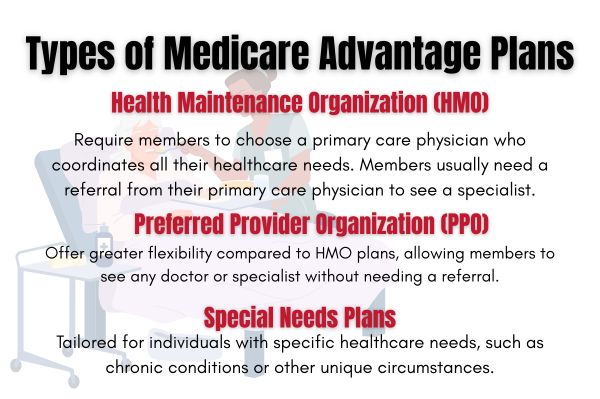
Medicare Advantage plans aren’t one-size-fits-all. They include different types, each with unique network characteristics:

  • health maintenance organization
  • Preferred Provider Organizations (PPOs)
  • Private Fee-for-Service (PFFS) plans
  • Special Needs Plans (SNPs)


Understanding these findings is crucial for Medicare beneficiaries to make informed decisions about their healthcare coverage.


Types of Networks in Medicare Advantage Plans


Types of Networks in Medicare Advantage Plans - Doctor Networks Work


Medicare Advantage plans primarily consist of HMO and PPO types, each offering distinct ways to access provider networks. HMO plans have the following characteristics:

  • Require members to use network providers for all healthcare services.
  • Typically require enrollees to select a primary care provider to coordinate their healthcare.
  • Require referrals from the primary care provider for specialist services.
  • This structured approach often results in lower out-of-pocket costs.
  • HMOs are a budget-friendly option for many seniors.


In contrast, PPO plans provide more flexibility by allowing members to see any doctor or specialist, regardless of whether they are in-network or out-of-network, though at a higher cost. PPO enrollees generally do not need referrals to see specialists, offering greater freedom in choosing healthcare providers. However, this flexibility comes with higher out-of-pocket expenses compared to HMOs. Additionally, the variety of plan offers can enhance the choices available to enrollees.

Understanding the type of Medicare Advantage plan you choose is crucial. Whether you prioritize lower costs or greater flexibility, knowing how each type impacts your access to healthcare providers is essential for making the best choice for your needs.


The Role of Network Providers in Medicare Advantage

Network providers play a pivotal role in Medicare Advantage plans, significantly influencing enrollee access to necessary care. Narrow network plans, which limit the number of available providers, can steer enrollees towards lower-cost options but may also restrict access to certain services and specialists, leading to higher out-of-pocket costs when seeking out-of-network care.

The challenges posed by narrow network plans include difficulties in obtaining referrals or services outside the designated provider network. This can be particularly problematic for enrollees who require specialized care. Continuity of care is vital, and transferring medical records to a new physician is a key step when changing doctors. Under HIPAA, patients have the right to access and transfer their medical records, facilitating a smoother transition.

Medicare Advantage enrollees have the flexibility to change their primary care doctor whenever needed. However, it’s advisable to check if the new doctor is within the plan’s network to avoid unexpected costs. This flexibility allows enrollees to maintain control over their healthcare choices while navigating the constraints of provider networks.


Finding In-Network Doctors

Locating in-network doctors who accept Medicare is crucial for Medicare Advantage enrollees to receive full plan benefits. Beneficiaries can use a Medicare-approved provider search tool to find and compare healthcare providers in their area. This tool allows users to evaluate the quality of care by comparing hospital ratings and physician performance, aiding in making informed choices for those enrolled in the plan.

Provider directories, available in various formats, can also support beneficiaries in confirming which providers are still participating in their plan’s network. Since provider participation can change, regularly checking the status of preferred provider organization doctors and specialists helps avoid unexpected out-of-network charges from the insurer’s network.

Compare plans and enroll online


 Advertisement

Speak with a licensed insurance agent

1-833-641-4938
TTY 711

Mon-Fri : 8am-9pm ET

compare medicare advantage plans

Costs Associated with In-Network vs. Out-of-Network Care

Costs Associated with In-Network vs. Out-of-Network Care


Understanding the cost differences between in-network and out-of-network care helps manage healthcare expenses under Medicare Advantage plans:

  • In-network providers have agreed to set prices with the health plan, which typically keeps patient costs lower.
  • Out-of-network care usually involves higher costs for patients.
  • Using in-network providers can lead to significant cost savings for enrollees.


On the other hand, using out-of-network providers can result in substantial unexpected medical bills. Individuals may be responsible for pay the difference between the doctor’s charges and what their plan covers, leading to higher out-of-pocket expenses. Additionally, while out-of-network services may not require copays, higher coinsurance rates often apply, further increasing costs. Using an out of network provider can also contribute to these unexpected expenses.

The financial impact of out-of-network care can be significant, especially if beneficiaries are unaware of their coverage limitations. Higher rates of out-of-network service utilization among Medicare Advantage enrollees may indicate dissatisfaction with the plan’s provider network, underscoring the importance of thoroughly reviewing network options before enrollment. Understanding these nuances helps beneficiaries avoid unexpected costs and ensures better access to necessary services.

Accessing Care Through Narrow Network Plans

Narrow network plans, while offering cost savings, can pose challenges in accessing care. These cost plans are categorized into:

  • Broad networks: covering a larger percentage of enrollees.
  • Medium networks.
  • Narrow networks: beneficiaries may face limited access to certain specialists, impacting their overall care options within the plan’s network. These plans can be beneficial for specific groups of enrollees.


Higher-risk individuals often seek out more comprehensive network options to accommodate their healthcare needs. Plans with varying range sizes can significantly affect the availability of specialists and services for members, influencing their healthcare experience to some extent. While narrow networks may offer lower out-of-pocket expenses, they can limit access to preferred providers and necessary services, making broader networks an appealing choice.

Medicare beneficiaries must balance the cost savings of narrow network plans with potential concerns about limitations in access to care, which policymakers should consider. Understanding these trade-offs can help enrollees make more informed decisions about their health care coverage that is covered, including medicare cost plans and plan based options.


Changing Doctors Within Medicare Advantage Plans

Changing doctors within Medicare Advantage plans is a straightforward process, but it requires careful consideration. Patients are encouraged to communicate their choice to switch doctors to their current provider, although it is not mandatory. This step ensures a smoother transition and helps maintain continuity of care.

Additionally, Medicare Advantage enrollees often utilize out-of-network care when they perceive their in-network options as inadequate, particularly among those with higher health risks.


Impact of Provider Networks on Healthcare Quality

Provider networks in Medicare Advantage plans significantly influence healthcare quality. Narrow networks can restrict access to essential services, such as psychiatric care, where more than half of plans include less than 10 percent of psychiatrists. This limitation can reduce the quality of care received by enrollees.

Star ratings, commonly used to assess plan quality, are not always reliable indicators of network size or quality. Broad-network PPOs received an average rating of 4.0 stars, while narrow-network PPOs only received 3.9 stars, reflecting a potential quality gap. Closed-panel HMOs, which typically have narrow networks, employ a majority of physicians, dictating the quality of care experienced by enrollees.

Building a new relationship with a doctor in a narrow network requires patience, as the provider will need time to understand the patient’s medical history while receiving care. This process can impact the perceived quality of care, emphasizing the ability to make careful consideration when choosing a Medicare Advantage plan to receive care.


Geographic Variations in Network Availability

Geographic variations significantly impact the availability and utilization of Medicare Advantage networks. Regional characteristics and demographics influence the composition of provider networks, affecting patient outcomes within different areas. The Medicare Advantage Geographic Variation dataset provides insights into these differences, helping beneficiaries understand how regional factors may affect their access to care.

Data regarding geographic disparities in Medicare Advantage networks is typically updated annually by the Centers for Medicare and Medicaid services, offering valuable information for making informed enrollment decisions. Limited provider networks in certain regions may deter individuals with complex health conditions from enrolling, leading them to prefer traditional Medicare for its broader access to providers.


The Importance of Reviewing Provider Networks Before Enrollment

Reviewing provider networks before enrolling in a Medicare Advantage plan ensures satisfaction with your healthcare coverage. Beneficiaries should evaluate both their healthcare needs and the potential costs associated with network providers. Ensuring that preferred doctors and hospitals are included in the plan’s network is crucial for continuity of care.

Many beneficiaries overlook the importance of Medicare Advantage provider networks, which can result in dissatisfaction with their plan. Those with complex health needs often value access to a broad network of providers and may choose traditional Medicare over Medicare Advantage plans when faced with limited provider options.

Reviewing provider networks thoroughly ensures that your healthcare preferences and needs align and are met.


Summary

In summary, understanding Medicare Advantage plan networks is essential for making informed decisions about your healthcare coverage. From knowing the types of networks available to understanding the cost implications of in-network versus out-of-network care, this knowledge empowers beneficiaries to choose plans that best meet their needs.

As you navigate the complexities of Medicare Advantage plans, remember to review provider networks thoroughly before enrollment. This proactive approach ensures that you receive the care you need without unexpected costs or limited access to healthcare services. Make informed choices and take control of your healthcare journey.

Frequently Asked Questions


Is it better to be in network or out-of-network?

It is better to be in-network, as this often results in lower out-of-pocket costs due to negotiated rates between your provider and the insurance company. Choosing in-network providers generally reduces your overall medical expenses significantly.


What are the main differences between HMO and PPO Medicare Advantage plans?

The main differences between HMO and PPO Medicare Advantage plans lie in provider flexibility and referral requirements; HMO plans necessitate the use of network providers and referrals for specialists, whereas PPO plans allow greater freedom to choose any doctor, albeit usually at a higher cost.


How can I find in-network doctors for my Medicare Advantage plan?

To find in-network doctors for your Medicare Advantage plan, utilize a Medicare-approved provider search tool or consult provider directories specific to your plan. Regularly verify the participation status of your preferred healthcare providers to ensure they remain in-network.


What are the cost implications of using out-of-network providers?

Utilizing out-of-network providers often leads to greater out-of-pocket costs, as individuals may be responsible for covering the difference between the provider’s charges and the insurance plan’s reimbursement rate. Therefore, it is vital to consider the financial impact before opting for out-of-network services.


Why is it important to review provider networks before enrolling in a Medicare Advantage plan?

It is crucial to review provider networks before enrolling in a Medicare Advantage plan to ensure your preferred doctors and hospitals are included, thereby preventing potential dissatisfaction and unexpected costs.

call today for help

 ZRN Health & Financial Services, LLC, a Texas limited liability company

Find & Compare Plans Online 


 Advertisement

Speak with a licensed insurance agent

 1-833-641-4938
TTY 711

Mon-Fri : 8am-9pm EST

( Medicare Expert )

Russell Noga is the CEO of ZRN Health & Financial Services, and head content editor of several Medicare insurance online publications. He has over 15 years of experience as a licensed Medicare insurance broker helping Medicare beneficiaries learn about Medicare, Medicare Advantage Plans, Medigap insurance, and Medicare Part D prescription drug plans.