Humana vs United Healthcare Medicare Advantage Plans

If you’re trying to choose between Humana and UnitedHealthcare for your Medicare Advantage plan, specifically looking at Humana vs United Healthcare Medicare Advantage Plans, you’re not alone. These two providers are among the most popular, but what sets them apart? In this article, we’ll break down their plans, costs, provider networks, and extra benefits to help you decide which one might be better for your healthcare needs.


Key Takeaways


  • Humana offers a wide range of Medicare Advantage plans with no monthly premiums, while UnitedHealthcare provides predictable premiums and extensive coverage options across a vast provider network.


  • Customer satisfaction is generally higher with Humana, though UnitedHealthcare boasts better CMS star ratings, indicating variations in service quality between the two insurers.


Compare Plans in One Step!

Enter Zip Code


 Advertisement

Overview of Humana and UnitedHealthcare

Humana vs United Healthcare Medicare Advantage Plans


Humana and UnitedHealthcare are titans in the Medicare Advantage market. As the largest Medicare insurer in the country, UnitedHealthcare boasts a massive provider network and a reputation for predictable premiums. Large insurers like Humana, the second-largest provider, are known for their extensive experience and stability, offering a variety of plan options across nearly every state.

Both companies are nationally recognized leaders, providing diverse Medicare Advantage plans that cater to a wide range of needs. While UnitedHealthcare offers $0 premium plans in 45 states, Humana’s plans are available in almost every state, making them accessible to a broad audience. The extensive reach and robust offerings of these two insurers make them top choices for Medicare beneficiaries.


Plan Availability and Coverage Options

Humana and UnitedHealthcare offer a myriad of Medicare Advantage plans, including HMO, PPO, and Special Needs Plans (SNPs). Humana’s plans are highly diverse, with options that cater to different healthcare needs and preferences. UnitedHealthcare, on the other hand, is known for its predictable premiums and extensive coverage, offering $0 premium plans in many states.

Availability and coverage can vary significantly based on geographic location, including Florida. Local partnerships with healthcare providers play a crucial role in determining the specific budget pricing plans available in each company area, ma.

HMO plans, requiring members to use a network of doctors and hospitals, are the most widely available. PPO plans offer greater flexibility by allowing members to see providers both in and out of network without referrals, but they can be more expensive.


Provider Networks and Access

One of the most critical factors to consider when choosing a Medicare Advantage plan is the provider network. Key points about UnitedHealthcare’s network include:

  • Nearly 1 million healthcare providers, making it significantly larger than Humana’s network
  • Access to a wide range of specialists and facilities
  • Particularly important in rural areas where healthcare options may be limited

Humana, while having the second-largest provider network, still offers a robust array of in-network options. It’s essential to ensure that your preferred doctors and specialists are included in the network of the plan you choose, as this directly impacts your access to care.


Cost Comparison: Premiums and Out-of-Pocket Maximums

Cost is a significant consideration for many when choosing a Medicare Advantage plan. Humana is notable for having a significant proportion of its plans with no monthly premiums, making it an attractive option for cost-conscious enrollees. Additionally, Humana offers plans that contribute to members’ Medicare Part B premiums, further enhancing affordability.

However, it’s essential to consider out-of-pocket maximums as well. Humana’s plans tend to have higher out-of-pocket maximums compared to industry averages.

UnitedHealthcare, while offering plans with a monthly premium, provides a range of options that may result in lower costs overall but come with predictable premiums and extensive coverage.


Extra Benefits and Wellness Programs

Extra benefits and wellness programs can significantly enhance the value of a Medicare Advantage plan. Humana offers:

  • The SilverSneakers program, promoting physical fitness among seniors
  • Meal delivery services
  • Increasing offerings of in-home support services, ensuring members have access to nutritious meals and can manage their health from the comfort of their homes.

UnitedHealthcare provides the Renew Actively fitness program, which encourages an active lifestyle. Members enrolled in chronic condition programs may also receive additional benefits like $0 copays for doctor visits and preventive care services. These extra benefits can make a significant difference in the overall member experience and health outcomes.


Customer Satisfaction and Star Ratings

 

Customer Satisfaction and Star Ratings


Customer satisfaction and star ratings are crucial indicators of an insurer’s service quality. Humana generally leads in customer satisfaction, despite some lower scores in significant markets. UnitedHealthcare, however, has a slight edge in CMS star ratings, with 68% of its plans rated four stars or higher.

UnitedHealthcare achieves a higher average CMS star rating of 4.10, reflecting better service and performance. In contrast, Humana’s average star rating is 3.61, indicating room for improvement. These ratings can influence your decision, as higher-rated plans often provide better service and member experience.


Compare plans and enroll online


 Advertisement

Speak with a licensed insurance agent

1-833-641-4938
TTY 711

Mon-Fri : 8am-9pm ET

compare medicare advantage plans

Chronic Condition Management

Managing chronic conditions effectively is a priority for many Medicare beneficiaries. Humana offers personalized care management services to help members navigate their chronic health conditions. These programs often include educational resources and self-management tools, empowering members to take control of their health.

UnitedHealthcare provides Chronic Special Needs Plans (C-SNPs) tailored to members with specific chronic conditions such as diabetes and heart failure. Both insurers emphasize extensive care coordination as a critical component of their chronic condition management programs.

Drug Coverage and Pharmacy Convenience


Drug Coverage and Pharmacy Convenience


Drug coverage is a critical component of a Medicare plan, specifically Medicare Advantage plans. UnitedHealthcare’s plans typically feature a wide range of covered drugs, maintaining an extensive formulary to accommodate diverse medication needs. Both Humana and UnitedHealthcare promote the availability of generic medications, which can be a cost-effective option for enrollees.

Pharmacy convenience is enhanced through online tools and mobile apps offered by both insurers, facilitating prescription management. Humana offers a network of preferred pharmacies that may provide lower-cost options, making it easier for members to access their medications.


Key Differences and Decision-Making Factors

When comparing Humana vs UnitedHealthcare, several key differences and decision-making factors come into play. Humana and UnitedHealthcare together hold more than half of the total enrollment in the Medicare Advantage market, highlighting their dominance. The share of beneficiaries enrolled in Medicare Advantage has more than tripled since 2007, indicating the program’s growing popularity.

Factors to consider when choosing between plans include:

  • ZIP code
  • Doctor availability
  • Medications
  • Personal flexibility

For instance, someone who frequently travels or prioritizes provider choice might prefer a plan with a larger network. Understanding these differences is vital for making an informed, qualified decision.


Impact of CMS Reimbursement Changes

The impact of CMS reimbursement changes in 2024 has been significant, altering the structure of many Medicare Advantage plans. Humana, for example, dropped several benefits, resulting in a shrinkage of its network and additional benefit cuts. UnitedHealthcare, on the other hand, made changes to their prescription formularies and adjusted provider tiers.

These changes have led to a restructuring of local Advantage plans, with some withdrawing from certain counties. Understanding how these reimbursement changes affect plan structures and certain benefits is crucial for making an informed choice.


Hospital Network and Contract Stability

Hospital network stability is another critical factor to consider. Contract disputes between insurers and healthcare providers can disrupt patient access to care. For instance, a dispute between UnitedHealthcare and Fairview Health Services could affect access for about 33,000 patients enrolled in Medicare Advantage plans.

Recent significant changes affecting UnitedHealthcare’s hospital networks include HealthPartners and Mount Sinai Health System ending contracts with the insurer. These disruptions highlight the importance of contract stability in maintaining consistent access to healthcare services.


How to Compare Plans by Location

Comparing Medicare Advantage plans by location is essential, as plan availability can vary significantly based on geography. Using ZIP codes allows individuals to access detailed information about the plans and benefits offered in their area. Humana’s Medicare Advantage plans are available in 85% of counties across the U.S., indicating wide coverage options.

The types of plans available, such as HMO or PPO, can vary based on local markets. Understanding these local variations is crucial for selecting the most appropriate plan type.


Enrollment Process and Periods


Enrollment Process and Periods


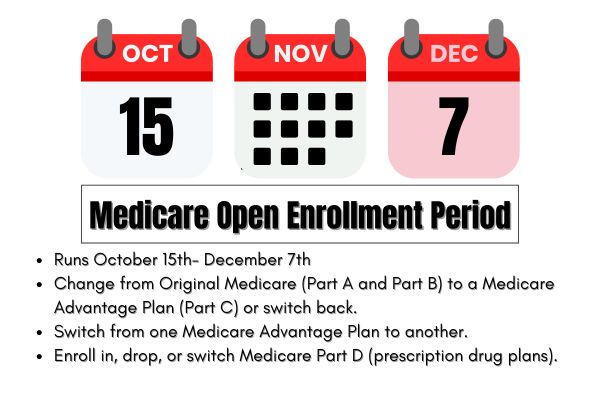
Navigating the enrollment process is crucial for joining the right Medicare Advantage plan. The Initial Enrollment Period lasts for seven months, starting three months before you become eligible for Medicare. The Open Enrollment Period for Medicare runs from October 15 to December 7 each year.

Special Enrollment Periods allow individuals to join or change plans due to specific life events, such as moving or losing current coverage. Understanding these enrollment periods ensures you can make timely decisions about your healthcare coverage.

Summary

In summary, both Humana and UnitedHealthcare offer robust Medicare Advantage plans with unique benefits and coverage options. Humana excels in providing $0 premium plans and extensive extra benefits, while UnitedHealthcare stands out with its large provider network and higher CMS star ratings.

Choosing the right plan depends on your specific healthcare needs, provider preferences, and budget. By considering factors such as plan availability, costs, and extra benefits, you can make an informed decision that best suits your needs.

Frequently Asked Questions


What are the main differences between Humana and UnitedHealthcare Medicare Advantage plans?

The main differences between Humana and UnitedHealthcare Medicare Advantage plans lie in plan availability, provider networks, costs, extra benefits, and customer satisfaction ratings. It is essential to compare these factors to determine which plan best suits your healthcare needs.


How do Humana and UnitedHealthcare compare in terms of plan costs?

Humana generally provides more $0 premium plans, making it potentially more cost-effective for individuals seeking low-cost options, whereas UnitedHealthcare offers a variety of premium plans with predictable expenses.


What extra benefits do Humana and UnitedHealthcare offer?

Humana offers benefits such as SilverSneakers and meal delivery services, whereas UnitedHealthcare includes the Renew Actively fitness program and enhanced support for chronic condition management. Both provide significant additional value to their members.


How do CMS reimbursement changes affect Medicare Advantage plans?

CMS reimbursement changes significantly impact Medicare Advantage plans by necessitating the restructuring of plan benefits, provider networks, and prescription formularies to adapt to new financial realities. This can result in altered services and access for beneficiaries.


How important is local availability when choosing a Medicare Advantage plan?

Local availability is essential when selecting a Medicare Advantage plan, as benefits and options can differ greatly by geographic area. It is advisable to utilize ZIP codes for precise plan information.

call today for help

 ZRN Health & Financial Services, LLC, a Texas limited liability company

Find & Compare Plans Online 


 Advertisement

Speak with a licensed insurance agent

 1-833-641-4938
TTY 711

Mon-Fri : 8am-9pm EST

( Medicare Expert )

Russell Noga is the CEO of ZRN Health & Financial Services, and head content editor of several Medicare insurance online publications. He has over 15 years of experience as a licensed Medicare insurance broker helping Medicare beneficiaries learn about Medicare, Medicare Advantage Plans, Medigap insurance, and Medicare Part D prescription drug plans.