






2026 Medicare Advantage Health Insurance Plans
Planning for your healthcare in 2026? Understanding the upcoming changes to 2026 Medicare Advantage health insurance plans is crucial. This article will walk you through the key updates, including changes in out-of-pocket limits, insulin costs, and new coverage options, ensuring you make informed decisions for your health needs.
Key Takeaways
- Medicare Advantage plans will have a reduced out-of-pocket limit of $9,250, an insulin cost cap of $35, and a decrease in average total premiums for 2026.
- Choosing the right Medicare Advantage plan requires evaluating factors like network flexibility between HMO and PPO plans, along with the additional benefits offered.
- Beneficiaries should be aware of enrollment periods, with the Annual Enrollment Period running from October 15 to December 7, to ensure they select the best coverage options.
Compare Plans In One Step!
Overview of 2026 Medicare Advantage Plans

Medicare Advantage plans, also known as a Medicare plan Part C, offer an alternative way to receive Medicare benefits through private insurance companies, including a Medicare Advantage organization. These plans:
- Provide all the benefits of Original Medicare (Part A and Medicare Part B)
- Often include additional services like vision, dental, and prescription drug coverage
- Usually have a yearly out-of-pocket spending limit for covered services, offering financial protection against high medical costs.
One of the standout features of Medicare Advantage plans is their potential to cover emergency situations even when you’re traveling outside the United States. This can be particularly beneficial for those who travel frequently or spend part of the year abroad.
Eligibility for Medicare typically begins at age 65, but younger individuals with specific disabilities may also qualify.
Choosing a Medicare Advantage plan involves considering various factors, including coverage options, network restrictions, and additional benefits. As we delve deeper into the 2026 Medicare Advantage plans, you’ll learn how to identify the best plan to meet your health needs and financial situation.
Key Changes to 2026 Medicare Advantage Plans
As we move into 2026, several key changes to Medicare Advantage plans promise to enhance coverage and affordability for beneficiaries next year. One notable update is the reduction in the out-of-pocket limit for in-network services, which will decrease to $9,250.
This change aims to provide better financial protection for beneficiaries against unexpected medical expenses.
Another significant update is the capping of insulin costs at $35 per month, with no deductibles applied. This change is particularly beneficial for those managing diabetes, ensuring that vital medication remains accessible and affordable.
Additionally, the average total premium for Medicare Advantage plans that include prescription drug coverage is projected to fall to $11.50, down from $13.32 the previous year.
Furthermore, Medicare will start covering weight-loss drugs with a maximum copay of $50 for beneficiaries. This inclusion reflects a broader commitment to comprehensive health management and cost sharing.
Beneficiaries can also expect stable access to a wide variety of Medicare Advantage and Part D plans, with over 99% having plan options available.
These updates highlight the ongoing efforts to improve affordable Medicare Advantage plans, making them more accessible for all while aiming to lower costs with UnitedHealthcare.
Understanding Prescription Drug Coverage in 2026

Prescription drug coverage is a critical component of most Medicare Advantage plans, significantly impacting beneficiaries’ out-of-pocket costs. Medicare Advantage plans usually provide prescription drug coverage, referred to as Part D.
This differs from Original Medicare, which does not include this benefit. This coverage helps manage the costs of necessary medications, ensuring that beneficiaries have access to the drugs they need.
In 2026, the deductible for Medicare Part D will increase to a maximum of $615, a $25 rise from the previous year. This change means that beneficiaries will need to pay more out-of-pocket before their drug coverage kicks in. However, the overall decrease in average total premiums for plans with drug coverage can offset some of these increased costs.
Understanding your current coverage and how these changes might affect you is crucial for making informed decisions about your Medicare Advantage plan. Staying informed about the latest updates helps ensure your plan continues to meet your prescription drug needs effectively.
Choosing the Right Medicare Advantage Plan
Selecting the right Medicare Advantage plan involves a careful assessment of your specific health needs and financial circumstances. Whether you’re looking for comprehensive coverage, lower out-of-pocket costs, or additional benefits like dental and vision care, understanding your Medicare Advantage plan options and preventive care is key.
We’ll explore how to choose the best plan for you, beginning with a comparison between HMO and PPO plans and evaluating the extra benefits they offer.
Compare plans and enroll online

Comparing HMO and PPO Plans

Comparing HMO and PPO Medicare Advantage plans requires considering differences in provider flexibility and cost structures:
- HMO plans typically require members to choose a primary care provider.
- HMO plans require obtaining referrals for specialist visits.
- This structured approach can help keep costs low.
- However, it may limit your choice of healthcare providers.
On the other hand, PPO plans offer greater flexibility, allowing members to see specialists without referrals and use out-of-network providers, often at a higher cost. This flexibility can be beneficial for those who prefer more control over their healthcare choices within the provider network.
However, it’s important to weigh these benefits against the potential for higher out-of-pocket expenses in a preferred provider organization.
Both plan types have their advantages and drawbacks, and the right fit choice depends on your healthcare needs and budget. Understanding these differences allows you to select a new plan that aligns with your preferences, and your contract plan depends on your financial situation.
Evaluating Extra Benefits
Medicare Advantage plans often include additional benefits that go beyond what Original Medicare offers. These extra benefits can significantly enhance your overall healthcare experience.
Many plans provide Medicare coverage for dental, vision, and hearing services, which are not typically included in Original Medicare.
Wellness programs and fitness benefits are also common, helping beneficiaries maintain a healthy lifestyle. Some plans even offer coverage for hearing aids, which can be a significant financial relief for those needing such devices.
However, it’s important to note that these extra benefits often come with limitations and annual maximums, including hearing benefits.
Assessing these additional benefits helps in choosing a Medicare Advantage plan that best meets your needs. Considering which extra services are most important to you helps find a plan that offers the right balance of coverage and affordability.
Enrollment Periods and Eligibility
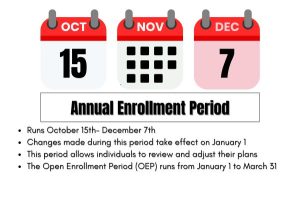
Knowing the enrollment periods and eligibility criteria for Medicare Advantage plans is essential for securing the best coverage during the open enrollment period. Key points include:
- The Annual Enrollment Period (AEP) runs from October 15 to December 7.
- During AEP, beneficiaries can modify their Medicare plans.
- Any changes made during this period take effect on January 1 of the following year.
During the AEP, beneficiaries can switch between Medicare Advantage Plans and Original Medicare, ensuring they have the coverage that best suits their needs.
Additionally, the special enrollment period allows beneficiaries to enroll or make changes outside the AEP under certain qualifying conditions.
Being aware of these key dates and eligibility criteria helps you take timely action to secure the most suitable Medicare Advantage plan. Staying informed and prepared ensures that your health coverage continues to meet your needs effectively.
Resources for Medicare Beneficiaries
Several resources are available to help Medicare beneficiaries navigate their options and make informed decisions. The primary contact number for Medicare inquiries is 1-800-MEDICARE (1-800-633-4227), with TTY assistance available at 1-877-486-2048.
These contact numbers provide direct access to the customer service number, where representatives can answer questions and provide guidance.
Online tools on Medicare’s official website can help beneficiaries find health and drug plans that meet their needs. Additionally, the State Health Insurance Assistance Program (SHIP) offers confidential and unbiased guidance from trained Medicare experts in health services.
Local SHIP representatives can provide one-on-one counseling tailored to individual needs, ensuring beneficiaries understand their options thoroughly.
Medicare also provides information and resources in multiple languages, making it accessible to a diverse range of beneficiaries. Utilizing these resources allows you to confidently navigate the complexities of Medicare Advantage plans.
How to Get Assistance with Your 2026 Medicare Advantage Plan

Getting assistance with your 2026 Medicare Advantage plan is easier than ever, thanks to the comprehensive support options available.
Medicare provides 24/7 support, allowing beneficiaries to talk or chat with customer service representatives at any time, except on certain federal government holidays. This continuous availability ensures that you can get help whenever you need it.
For more personalized assistance, contacting your local SHIP can provide in-depth guidance on your Medicare options. SHIP counselors are trained to offer unbiased advice tailored to your specific needs, helping you navigate the complexities of Medicare Advantage plans effectively.
Additionally, online resources and tools on the Medicare website offer valuable information and support. Leveraging these various assistance options ensures that your Medicare Advantage plan meets your healthcare needs and budget.
Summary
Navigating the landscape of Medicare Advantage plans for 2026 may seem daunting, but understanding the key changes, prescription drug coverage, and how to choose the right plan can make the process much more manageable.
With reduced out-of-pocket limits, capped insulin costs, and new coverage for weight-loss drugs, the updates for 2026 offer significant benefits to Medicare beneficiaries.
By staying informed about enrollment periods and utilizing available resources, you can make the best decisions for your healthcare coverage. Whether you’re new to Medicare or looking to renew your plan, this guide provides the insights and tools you need to navigate your options confidently.
Remember, the right Medicare Advantage plan is out there, and with the right information, you can find it to meet your needs.
Frequently Asked Questions
→ Are there any Medicare Advantage plans available for 2026?
Yes, Medicare Advantage plans will be available in 2026, with over 99% of beneficiaries having access to these plans. Although the total number of plans is projected to decrease slightly, special needs plans are expected to see significant growth.
→ When is the Annual Enrollment Period for Medicare Advantage plans?
The Annual Enrollment Period for Medicare Advantage plans occurs from October 15 to December 7, with changes effective January 1 of the following year. It is essential to make any desired adjustments during this timeframe.
→ What are the key changes to Medicare Advantage plans in 2026?
The key changes to Medicare Advantage plans in 2026 include a reduced out-of-pocket limit of $9,250, capped insulin costs at $35 per month, decreased average premiums, and new coverage for weight-loss drugs. These adjustments aim to enhance affordability and access for beneficiaries.
→ What is the difference between HMO and PPO Medicare Advantage plans?
The key difference between HMO and PPO Medicare Advantage plans lies in provider access; HMO plans necessitate the use of network providers and referrals for specialists, whereas PPO plans provide greater flexibility with no referral requirement for specialist services.
→ What extra benefits do Medicare Advantage plans offer?
Medicare Advantage plans often provide extra benefits beyond standard coverage, including dental, vision, hearing care, and wellness programs. These additional services can significantly enhance overall health management for beneficiaries.
Have Questions?
Speak with a licensed insurance agent
1-833-641-4938
TTY users 711
Mon-Fri: 8am-9pm ET
Find & Compare Plans Online
ZRN Health & Financial Services, LLC, a Texas limited liability company

Russell Noga is the CEO of ZRN Health & Financial Services, and head content editor of several Medicare insurance online publications. He has over 15 years of experience as a licensed Medicare insurance broker helping Medicare beneficiaries learn about Medicare, Medicare Advantage Plans, Medigap insurance, and Medicare Part D prescription drug plans.